
Why You Should Check Active Loan on PAN Card Before Applying Again

In today’s fast-paced world, obtaining loans is often vital for meeting financial needs, whether it’s for education, healthcare, or personal projects. However, before you apply for another loan, especially if you’re considering a substantial amount like ₹20,000, it’s crucial to assess your current financial situation. One key step in this process is to check your active loan on your PAN card. In this article, we’ll discuss why you need to verify your active loans, how to do it, and the potential implications of ignoring this crucial check.
Understanding the Importance of Your PAN Card in Loan Applications
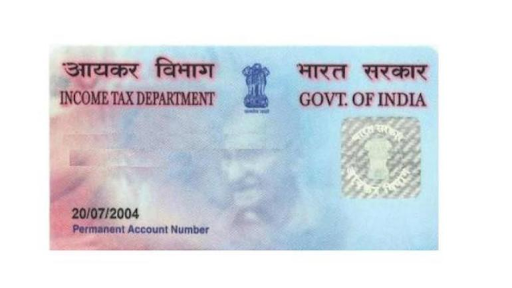
The Permanent Account Number (PAN) card is much more than just a tax identification document in India. It plays a significant role in financial transactions, including loans. When you apply for a loan, lenders check your PAN details to understand your financial history and assess your creditworthiness. This includes looking into your past loans, outstanding debts, and repayment behavior. Many borrowers now prefer to check active loan on PAN card before applying for new credit, as it helps them stay aware of their existing liabilities and avoid over-borrowing. This simple step can also help you spot any discrepancies or unauthorized loans linked to your PAN, giving you better control over your financial profile before lenders evaluate your application.
Consequently, checking active loans associated with your PAN card is crucial. It helps you understand your current obligations and avoid potential issues with future loan applications.
Financial Implications of Not Checking Active Loans
1. Credit Score Impact
Your credit score is heavily influenced by your repayment history. If you have active loans that you haven’t accounted for, failing to repay them can negatively impact your credit score. A lower credit score can lead to higher interest rates, or even cause lenders to reject your application entirely. Regularly checking your active loans can help you manage your credit is better and take necessary actions to improve it if needed.
2. Loan Eligibility
When you apply for a new loan, lenders will often consider your existing liabilities. If you have outstanding loans that you are unaware of, it may affect your eligibility to secure additional funding. Many lenders have a maximum limit on the number of loans one can have at a time, based on income and repayment capacity.
3. Legal and Financial Consequences
In some cases, failing to acknowledge an active loan could lead to legal action by lenders. Ignoring outstanding debts can result in increased interest rates, added penalties, and even civil lawsuits. Checking your active loans will help you tackle any issues before they escalate into more significant problems.
4. Avoid Duplicate Loans
It’s easy to forget about small loans, particularly if you have taken multiple loans over time. By checking your active loan status, you can ensure you don’t accidentally take on more debt than you can manage, preventing duplicate loans.
How to Check Active Loans on PAN Card
Checking active loans linked to your PAN card can be done through several methods. Here are a few straightforward steps to follow. This is especially useful if you’re looking for something like a PAN card loan 20000, as knowing your existing loan status can help you determine your eligibility for a new small-ticket loan and avoid rejection due to unnoticed liabilities.
1. Visit Credit Bureau Websites
The first step is to visit a credit bureau’s website. In India, major credit bureaus include CIBIL, Equifax, Experian, and CRIF High Mark. You can obtain a free credit report once a year from these websites.
Steps to Follow:
- Navigate to a credit bureau site.
- Sign up or log in with your PAN and other required details.
- Access your credit report to see all your current and previous loans, including outstanding amounts.
2. Utilize Financial Apps and Portals
Many financial apps and internet banking portals allow you to track your loan history by integrating with your PAN card. These platforms provide an overview of your financial liabilities and help manage multiple loans in one place.
3. Contact Lenders Directly
If you’re unable to retrieve this information online, you can always contact your past lenders or financial institutions directly. They can provide details on any active loans tied to your PAN card.
Regular Monitoring of Your Financial Health
1. Keep a Record of Loan Applications
After checking your active loans, maintain a record of all your loans, including application numbers, amounts, lender details, and repayment statuses. This can help you stay organized and avoid being blindsided by missed payments.
2. Set Reminders for Payments
In conjunction with monitoring your loans, setting reminders for payments can help ensure you do not default on any loans. Consider scheduling these reminders into your calendar, allowing you to keep track of due dates seamlessly.
3. Consider Financial Counseling
Should you find managing multiple loans overwhelming, consider consulting a financial counselor. They can assist you in consolidating loans or developing a repayment strategy tailored to your situation.
Importance of Being Financially Responsible
Financial responsibility is crucial not just for your current financial situation but for your future. By regularly checking for active loans on your PAN card and managing your debts efficiently, you can improve your credit score, making your financial future more secure. Moreover, being financially responsible increases your chances of getting loan approvals in the future, enabling access to funds when you need them the most
Conclusion
Checking your active loans on your PAN card before applying for another loan is not merely a precaution; it’s a critical step in ensuring your financial well-being. From understanding your creditworthiness to avoiding duplicate loans and potential legal issues, the advantages of this practice are plentiful. As you consider applying for a loan amount, such as ₹20,000, always prioritize checking your active loan status to ensure that you’re in the best possible position to manage new financial obligations. Being proactive about your financial health can save you time, money, and stress in the long run. Remember, a little due diligence can go a long way in achieving financial peace of mind!