
Why Most Leaking Tube Joints Are Decided Before the Rolling Starts

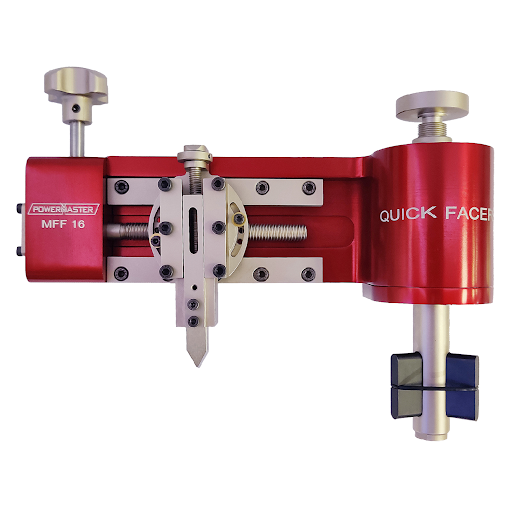
Check the tubes and tube sheet before you start. Look for burrs in the holes, rough tube ends, and tubes cut to the wrong length. It’s easier to fix these while the parts are still on the bench than halfway through fitting. Have your tube installation tools ready, too, so you don’t have to stop the job to find what you need.
Where Do the Problems Usually Start?
Mostly in the tube sheet. Holes pick up scale, paint, old sealant, and the odd scratch, and a joint can’t grip a surface that isn’t clean. A simple brush often does most of the work, though a reamer is handy if a hole has a sharp edge. If the drawing calls for grooves, they go in now, since there’s no sensible way to add them once the tube sits in the hole.
I’d also run a finger over a few holes by hand before trusting anyone’s eyes. A burr that’s hard to see can be easy to feel.
What Should You Look At on the Tubes?
Check the tube length while it’s still on the bench. Run your eye over both ends for burrs, uneven cuts or damage. If an end needs facing, make sure there’s enough length to do it.
Have a few spare tubes ready, too. If one catches as you fit it, pull it back and check the problem. Don’t force it through just to keep the job moving.
What Do the Tube Installation Tools Actually Do?
It helps to think of each tool as fixing one specific problem. Brushes and reamers deal with the hole. Facers and guides deal with the tube. The expander presses the tube against the hole in the tube sheet to form the joint. It can be driven by hand, air, electricity or hydraulics. The drive affects how quickly you work and how much control you have. A leak test checks whether the finished joint holds tight.
None of this is complicated, but crews that treat the tools as one set, rather than a pile, tend to have fewer reworks.
Is It Better to Test as You Go?
Yes. If something is wrong with the setup, you’ll want to know after a few joints, not after finishing the whole tube sheet. Test a few early on. If one fails, stop and find out why before carrying on with the same settings.
Should the Tools Come From One Place?
It’s not essential, but it’s convenient. A tube expansion manufacturer that also makes the prep and testing tools can help you put together a set that fits your tube size and material, and there’s one person to call when something doesn’t match. Whoever you choose, confirm the sizes before the job, not during it.
Conclusion
A good tube job rarely depends on one clever tool. It depends on clean holes, tubes that are cut and faced properly, a sensible set of tube installation tools within reach, and a test that catches problems early, while they’re still cheap to fix.
Tube Expanders makes and sells tube expanders, tube sheet preparation tools, guides, and leak testing kits for industries including oil and gas, power, and heavy engineering. Its customers include oil and gas, petrochemical, and heavy engineering businesses that depend on condensers and boilers.