
Why 3D Printing Matters in Product Development and Prototype Testing

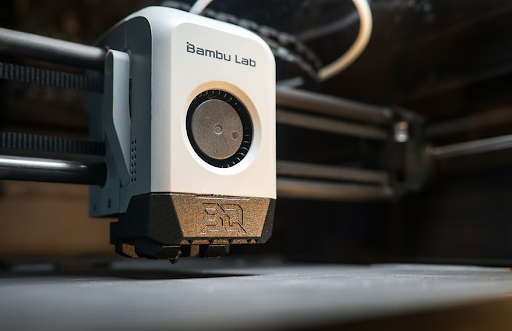
Turning an idea into a physical product requires more than creating an attractive digital model. Designers and engineers need to understand how a concept feels, fits, functions, and performs before manufacturing begins. A 3D printing prototype service helps transform digital designs into physical samples that teams can handle, evaluate, and refine.
By testing form, proportions, usability, assembly, and component relationships early, product teams can identify potential issues sooner, compare design alternatives, and make informed improvements before committing to expensive tooling or production processes.
From Digital Model to Physical Form
A digital model can show dimensions, surfaces, proportions, and component relationships, but a screen does not always reveal real-world behavior. A printed prototype gives the development team something tangible to examine.
Teams can hold the part, assess its size, observe component fit, and consider whether its shape suits the intended user. This feedback can uncover issues hidden during digital reviews. It gives designers a clearer basis for discussing changes with stakeholders.
Testing Form and Ergonomics
Product success often depends on how naturally people interact with an object. A handle may look appropriate in CAD but feel uncomfortable in the hand. A control may be positioned correctly according to measurements but prove awkward during actual use.
Physical prototypes allow these details to be evaluated earlier. Users can interact with the model, while designers can observe reach, grip, posture, access, and overall comfort. Findings can guide modifications before expensive tooling or production commitments.
This approach is valuable for products where human interaction is central. Consumer appliances, medical products, furniture, sports equipment, electronics, and other physical goods can benefit from repeated hands-on evaluation.
Finding Design Problems Early
One of the biggest advantages of rapid prototyping is the opportunity to identify problems while they are still relatively easy to correct. A digital design may appear complete, yet physical testing can expose weak connections, unsuitable proportions, interference between parts, difficult assembly points, or access problems.
Correcting these issues during an early development stage can prevent them from becoming expensive manufacturing changes later. Instead of discovering a problem after tooling has been created, teams can modify the geometry, print another version, and evaluate the change.
Supporting Faster Iteration
Development can slow when every physical sample requires significant time, coordination, or expense. 3D printing can shorten the gap between a design revision and the next physical evaluation.
A designer can update a CAD model, produce a revised sample, and compare it with the previous version. This cycle encourages experimentation because teams can evaluate several alternatives without immediately committing to final manufacturing methods.
Iteration is especially useful when developing complex forms or products with many interacting components. Each version can answer questions about fit, function, usability, or appearance, moving the concept toward refinement.
Connecting Design With Engineering
Prototyping becomes more useful when creative decisions are considered alongside technical requirements. Effective engineering product design considers materials, mechanisms, component relationships, manufacturing constraints, and expected product performance while the form is being developed.
A prototype can help engineers examine assembly sequences, part interfaces, movement, clearances, and structural considerations. Although a printed model may not always replicate the properties of a final production material, it can still provide valuable information about geometry and interaction.
This connection between design and engineering reduces the risk of treating appearance and functionality as separate stages. Instead, both can develop together through repeated evaluation.
Improving Communication Across Teams
Physical prototypes improve communication. Product development often involves designers, engineers, clients, suppliers, manufacturers, and users, and each group may interpret drawings or digital models differently.
A tangible sample creates a common reference point. People can point to a specific surface, component, edge, or interaction and discuss what needs to change. This can reduce ambiguity and make design reviews more productive.
For manufacturers, a prototype can provide additional context around intended form and assembly. For clients, it can make an abstract concept easier to understand. For users, it can create an opportunity to provide feedback based on real interaction rather than imagination.
Reducing Development Risk
Every product development project involves uncertainty. Teams may be unsure whether a concept will feel right, whether components will fit, or whether a particular form can be assembled efficiently. Prototyping does not eliminate every risk, but it provides a structured way to investigate important questions before full production.
Testing several design assumptions early can support more informed decisions. It also creates a useful record of product evolution through feedback and refinement. When prototypes are combined with research, CAD development, engineering analysis, and manufacturing considerations, they become an important part of a broader development process.
Preparing for Manufacturing
A prototype should not be viewed only as a sample. It can also contribute to preparation for production. Designers can use physical models to examine assembly, identify areas requiring adjustment, and confirm that the intended product direction remains practical.
When development progresses toward manufacturing, digital files can be refined according to production requirements. Design for manufacturing principles can then be applied to materials, tooling, tolerances, part construction, and production processes.
This progression helps create a smoother path from early concept to a practical manufacturable product. The prototype serves as a checkpoint for the next stage.
Making Product Development More User Focused
A product is shaped by more than technical specifications. It must also respond to the people who will use it. Physical prototypes create opportunities to gather meaningful observations about interaction, comfort, accessibility, and perceived usability.
These observations can influence proportions, controls, surfaces, and component placement. As a result, prototyping supports a development process that responds to actual user experience rather than relying entirely on assumptions.
Conclusion
3D printing has become a practical part of modern product development because it turns digital concepts into physical evidence. By enabling teams to test form, fit, ergonomics, usability, assembly, and design assumptions, it supports faster iteration and earlier problem identification. When combined with research, CAD, engineering, and manufacturing planning, a 3D printing prototype service can help teams move from promising concepts toward more considered, production-ready products. Testing can strengthen decisions throughout development with confidence.
For innovative product ideas, Studio701 supports product development from concept and industrial design through engineering, prototyping, and production support. Their services include 3D CAD modelling, user and market research, ergonomic design, design for manufacturing, accurate 3D-printed prototypes, engineering development, vendor coordination, tooling guidance, and quality checks. Their team works across diverse industries to turn ideas into functional, manufacturable, user-focused products with practical support at every stage.