
The Power of the Fork: A Must-Know Chess Tactic for Beginners

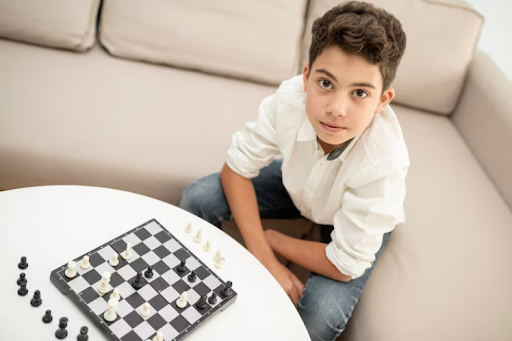
Imagine moving one chess piece and suddenly attacking two valuable pieces at once. Your opponent can save one, but the other may be left exposed. That simple idea is the power of a fork. It is one of the most useful tactical patterns for beginners because it teaches players to look beyond their immediate move and notice multiple threats on the board.
Learning to recognise such opportunities can make chess more exciting and purposeful. With the best online chess lessons, beginners can study tactical patterns through examples, puzzles, and real positions. Understanding how a fork works is a small but valuable step towards developing sharper observation and more thoughtful decision-making during a game.
What Is a Fork in Chess?
A fork is a tactical move in which one piece attacks two or more opposing pieces or important targets at the same time. The opponent may be unable to protect everything, allowing the player who created the fork to win material or gain a useful advantage. The tactic can involve different pieces, although knights are especially well known for creating forks.
The value of a fork depends on the targets being attacked. A move that attacks a king and queen can be especially powerful because the opponent must respond to the check first. However, beginners should not assume that every double attack automatically wins material. They must also consider whether the attacking piece can be captured and whether the opponent has another tactical response.
Reasons the Knight Is So Effective at Forking
Knights are especially effective at creating forks because they can jump over pieces and attack unusual squares. A well-placed knight, particularly near the centre, can attack valuable targets such as the king, queen, rook, or bishop at the same time, making knight forks a useful tactical pattern for beginners to learn.
-
Forking the King and Queen
A knight can sometimes move to a square where it gives check while simultaneously attacking the opponent’s queen. Since the opponent must respond to the check, the queen may become vulnerable. This is one of the clearest examples of why a fork’s value depends on the targets involved.
-
Forking Two Rooks
Two rooks placed on vulnerable squares can become targets for a knight fork. If the knight attacks both at once, the opponent may struggle to save both pieces. Beginners should therefore notice when major pieces are positioned close enough to become targets of the same tactical move.
-
Forking the Queen and Rook
A knight may also attack a queen and rook simultaneously. Since both are valuable pieces, such a fork can create a significant material opportunity. Before making the move, however, the player should check whether the knight’s destination square is protected.
-
Pawn Forks
Pawns can create forks as well. A pawn moving forward may suddenly attack two opposing pieces diagonally. Because pawns have limited movement and can become difficult to move backwards, spotting the right moment for a pawn fork requires careful observation.
-
Queen Forks
Queens can attack several pieces because they can move across ranks, files, and diagonals. A queen fork can therefore be powerful, but beginners should avoid moving the queen simply because it can create multiple threats. The queen may become an easy target if the move is not properly calculated.
How Beginners Can Spot a Fork During a Game
The bigger challenge is recognising one while playing an actual game. Beginners often concentrate on their planned move without asking what other possibilities the same piece might have. Developing a habit of scanning the board can help reveal tactical opportunities.
A useful approach is to look for pieces that are close together or poorly protected. Then consider whether one of your pieces can move to a square that attacks more than one target. For learners following a beginner chess course for kids, tactical puzzles can make this process easier because they provide focused positions where students can practise finding specific patterns.
Create Forking Opportunities Through Better Positioning
Forks do not always appear by accident. Players can sometimes create them by improving the position of their pieces. A knight placed near the centre, for example, may have access to several squares from which it can attack valuable targets. Similarly, a pawn advance can sometimes force opposing pieces into vulnerable positions.
However, beginners should avoid chasing forks at the expense of sound chess principles. A tactical idea is useful only when the resulting position is favourable. Before playing a move designed to create a fork, check whether the opponent can capture the attacking piece, move both targets, or respond with a more serious threat.
Common Mistakes to Avoid When Using Forks
Beginners can easily miss important details when trying to create a fork. Keeping a few common mistakes in mind can make tactical play more accurate.
- Ignoring the opponent’s response
- Forgetting to protect the forking piece
- Targeting low-value pieces
- Missing a more serious tactical threat
- Playing the fork too quickly
- Not checking the follow-up move
Taking a moment to calculate the opponent’s response can prevent many avoidable mistakes. A successful fork depends not only on spotting two targets but also on ensuring that the tactic actually works.
Take the Fork Beyond Basic Tactics
The fork is only one part of tactical chess. Once beginners become comfortable recognising it, they can explore related patterns such as pins, skewers, discovered attacks, double attacks, deflections, and discovered checks. Learning these ideas together helps players understand how pieces interact and why certain positions create tactical opportunities.
The larger lesson is to look for threats rather than simply thinking about where a piece should move. A strong move can change several relationships on the board at once. With regular puzzles, practice games, and thoughtful analysis, beginners can gradually become better at spotting these changes before making their decisions.
Conclusion
The fork is a simple yet powerful chess tactic that teaches beginners to identify multiple threats with one move. Learning how to recognise, create, defend against, and practise forks can improve tactical awareness and encourage players to examine the board more carefully.
For learners looking for structured support from a chess training academy, Chessbrainz provides online chess education through level-based courses, personalised coaching, group learning, interactive practice, game analysis, tournaments, and technology-supported learning. Its structured approach can help beginners build tactical foundations while progressing towards more advanced concepts and stronger chess understanding.