
Precision and Power: The Role of Torque Wrenches in Industry

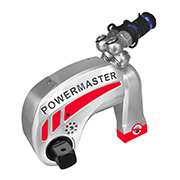
Tightening bolts may seem like a small step in construction or manufacturing, but one mistake can create big problems. Over-tightening or loose bolts can lead to equipment failure, downtime, or even accidents. Industries that rely on heavy machinery, pipelines, or complex assemblies cannot take chances. This is where specialized tool, hydraulic torque wrenches, play a crucial role. They ensure that every bolt is tightened to the exact specifications, providing safety, efficiency, and reliability.
What is a Hydraulic Torque Wrench?
A hydraulic torque wrench is more than a simple tool. It is designed to apply controlled torque to fasteners using hydraulic pressure. Unlike manual torque wrenches, it delivers more power with precision. This ensures that bolts are neither under-tightened nor over-tightened.
Industries such as construction, oil and gas, shipbuilding, and power generation rely heavily on hydraulic torque wrenches. In these fields, even a minor error in bolt tightening can lead to structural or operational issues. By using hydraulic pressure, these wrenches provide consistent torque output and maintain safety standards.
Who Uses Hydraulic Torque Wrenches?
Hydraulic torque wrenches are versatile tools used across multiple industries:
- Construction companies assemble steel structures with precision.
- Oil and gas industries install pipelines and equipment with high torque requirements.
- Manufacturing companies assemble heavy machinery and equipment.
- Automotive industries tighten bolts in engines and chassis components.
- Aerospace industries assemble aircraft parts where exact torque is critical.
- Power generation companies maintain turbines and generators.
- Shipbuilding industries assemble ships with large bolts and complex structures.
- Wind energy companies install wind turbines in tight spaces and high-stress conditions.
These industries benefit from the combination of speed, accuracy, and safety provided by hydraulic torque wrenches.
Benefits of Hydraulic Torque Wrench
Hydraulic torque wrenches offer several advantages that make them indispensable in industrial settings:
- High Accuracy: They provide precise torque to prevent over-tightening or damage. Bolts remain in the safe zone, maintaining their strength and reliability.
- Speed: These wrenches operate faster than manual tools, saving time on large-scale projects. Installing large bolts or working in bulk becomes manageable.
- Versatility: Available in different sizes and torque capacities, hydraulic torque wrenches adapt to various applications.
- Consistency: They ensure uniform torque output across multiple bolts, reducing errors.
- Safety: Proper torque application reduces the risk of accidents caused by loose or over-tightened bolts.
Mechanical torque wrenches, while less powerful than hydraulic versions, are also widely used for applications requiring manual control. They are reliable for smaller bolts and less demanding tasks, providing a cost-effective alternative when full hydraulic systems are not necessary.
Factors to Consider When Choosing a Hydraulic Torque Wrench
Choosing the right hydraulic torque wrench involves understanding project needs and equipment requirements:
- Torque Requirement: Determine the maximum torque needed. Check project specifications or fastener guidelines to select the appropriate range.
- Application: Consider the space and access available. Some jobs require low-profile wrenches for tight areas, such as turbine maintenance.
- Frequency of Use: Frequent use demands durable models built to withstand repeated operations.
- Hydraulic Compatibility: Ensure the wrench matches the pressure rating of the power unit.
- Accuracy Requirements: Some applications need stricter precision. Look for certified accuracy levels to meet those needs.
- Safety Features: Pressurized systems can be hazardous. Wrenches with overload protection or pressure release valves enhance safety.
- Accessories: Additional tools like cassettes, reaction arms, and calibration equipment may be necessary. Consider availability and cost.
- Budget: Wrenches vary in price based on features and torque capacity. Set a budget to narrow down choices.
Understanding these factors ensures the selected tool is efficient, reliable, and safe.
Mechanical Torque Wrenches vs Hydraulic Torque Wrenches
While hydraulic torque wrenches excel in high-power applications, mechanical torque wrenches remain useful for smaller jobs or lower torque requirements. Mechanical wrenches rely on manual force but offer a simpler, more portable option for lighter applications. Choosing between them depends on torque needs, frequency of use, and workspace constraints.
Mechanical torque wrenches are often used in automotive or small-scale assembly work, where extreme torque isn’t necessary. They’re lightweight, easy to handle, and suitable for workshops or maintenance tasks that don’t involve large industrial bolts.
Conclusion
Industrial projects demand tools that are accurate, reliable, and safe. Hydraulic torque wrenches and mechanical torque wrenches provide that precision. They make bolt tightening faster, safer, and more consistent, helping industries operate smoothly without compromise.
When selecting a torque wrench, understanding your application, torque requirements, and safety needs is crucial. Powermaster hydraulic torque wrenches meet these demands with decades of expertise, high-quality manufacturing, and excellent support. For professionals in construction, oil and gas, manufacturing, power generation, shipbuilding, and wind energy, Powermaster Ltd. stands out as a dependable choice for precision, durability, and global trust.