
One Platform, Multiple Markets: Rethinking the Modern Trading Experience

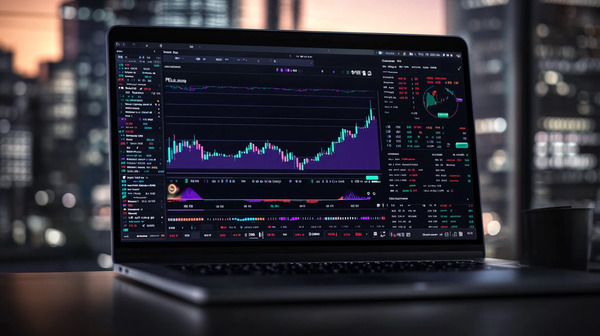
Modern trading platforms are expanding beyond single-asset access, giving traders opportunities to monitor different markets through increasingly connected digital environments.
A commodities trading platform can provide access to markets influenced by global supply, demand, economic activity, currency movements, and geopolitical developments. At the same time, modern platforms may support several asset classes, allowing traders to compare market behaviour and diversify their areas of analysis. However, broader access does not automatically reduce risk. Each market has its own volatility, pricing structure, liquidity characteristics, and trading conditions. Traders should understand the instruments available, evaluate associated costs, and develop appropriate risk controls before entering positions. A well-designed trading environment can improve convenience and market visibility, but informed decision-making remains essential when navigating multiple financial markets.
Key Features Shaping Multi-Market Trading Environments
Multi-market platforms combine accessibility, analytical tools, order management, and market information to support traders across different asset classes.
1. Access to Diverse Financial Markets
Modern platforms can provide access to commodities, currencies, indices, equities, and other instruments through a single trading environment. This allows traders to monitor different markets without switching between multiple systems. Broader access can also help users compare market movements and identify relationships between asset classes. However, each instrument has distinct risks and trading conditions. Traders should understand each market’s characteristics before expanding beyond familiar assets.
2. Centralised Market Monitoring
A unified platform can make it easier to monitor several markets from one interface. Traders can compare price movements, review charts, track open positions, and monitor account information without moving between separate applications. This centralised approach may improve efficiency and organisation, particularly for traders following multiple instruments. However, monitoring more markets can also increase information overload. A focused watchlist and clearly defined trading priorities can help maintain disciplined decision-making.
3. Analytical Tools for Better Decisions
Charts, technical indicators, economic calendars, price alerts, and market data can support different trading strategies. Traders may use these tools to study trends, momentum, support and resistance, or market reactions to economic events. Analytical features can help organise information before a trade is considered. Nevertheless, technical tools cannot predict markets with certainty. Combining platform-based analysis with fundamental research and appropriate risk management can provide a more balanced approach.
Understanding Commodities Within Modern Trading Platforms
Commodities markets are influenced by economic conditions, production levels, inventories, weather, international trade, and geopolitical developments.
1. Energy Market Influences
Energy commodities such as crude oil and natural gas can respond quickly to changes in global demand, production levels, inventories, and geopolitical developments. Supply disruptions or changes in economic expectations can create significant price movements. Traders should therefore monitor relevant market information and understand the factors affecting individual energy products. High volatility can create opportunities but also increase potential losses, making position sizing and risk management particularly important.
2. Precious Metals and Market Sentiment
Gold and other precious metals can respond to interest-rate expectations, currency movements, inflation concerns, and changes in investor sentiment. Their behaviour may differ from that of energy or agricultural commodities. Understanding these relationships can help traders interpret price movements more effectively. However, historical relationships can change as market conditions evolve. Traders should avoid assuming that a particular commodity will always respond in the same way to a given economic development.
3. Agricultural Commodity Factors
Agricultural commodities can be affected by weather conditions, crop production, inventories, seasonal patterns, transportation, and global demand. These factors can make agricultural markets particularly sensitive to unexpected developments. Traders interested in these instruments should understand the fundamental drivers behind individual products rather than relying exclusively on technical charts. Awareness of supply and demand conditions can provide useful context when evaluating potential market movements and associated risks.
Managing Risk Across Multiple Trading Markets
Access to several markets can increase flexibility, but it can also increase exposure if positions are not managed carefully. A commodities trading platform may provide access to different instruments, each with varying volatility, liquidity, and price sensitivity.
Traders should determine an acceptable level of risk before opening positions and consider how multiple trades may interact. Positions across markets can sometimes respond to the same economic event, creating greater combined exposure than expected. Monitoring margin requirements, position sizes, stop-loss levels, and overall account exposure can help maintain better control.
Leverage also requires careful consideration. Although it can allow traders to control larger positions with less initial capital, it can magnify both potential gains and losses. Traders should understand specific leverage and margin conditions before entering positions.
Creating a More Structured Multi-Market Trading Approach
A multi-market strategy should begin with clear objectives and a defined trading process. Traders can identify the markets they understand best, determine which factors influence them, and establish conditions for entering and exiting positions.
Keeping a trading journal can help evaluate performance across different asset classes. Recording the reasoning behind each trade, the level of risk taken, and the eventual outcome can reveal which approaches are producing consistent results. Traders can then refine their strategies based on evidence rather than short-term emotions.
It is also important to avoid excessive diversification simply because a platform provides access to numerous instruments. Following too many markets can make analysis difficult and encourage unnecessary trading. Selecting a manageable group of instruments can support deeper market understanding and more disciplined execution.
Conclusion
The modern trading experience increasingly brings multiple financial markets together through connected digital platforms. Access to commodities, equities, currencies, indices, and other instruments can improve convenience and provide broader opportunities for market analysis. However, wider access also requires greater awareness of individual market characteristics, costs, volatility, leverage, and combined portfolio exposure.
For traders interested in online stock trading, Riyadex provides access to a range of financial markets and trading-related services through its digital platform. Their offering enables traders to explore different instruments while accessing market information and trading functionality. Users should review applicable terms, costs, leverage conditions, available instruments, and risk disclosures before participating. A disciplined approach that combines suitable technology with market knowledge and responsible risk management can help create a more structured modern trading experience.