
Is Hot Stone Massage Right for You? Benefits and Precautions

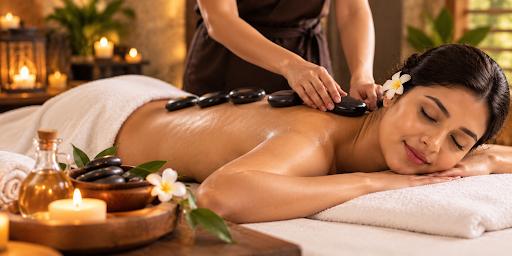
A hot stone massage combines traditional massage techniques with the gentle warmth of smooth, heated stones. It is often chosen by people looking to relax after long working hours, ease everyday muscle tightness, or enjoy a calming spa experience. However, hot stone massage therapy may not be suitable for everyone, particularly those who have certain medical conditions or reduced sensitivity to heat. Understanding its potential benefits, how a session works, and the precautions involved can help you decide whether this treatment fits your needs.
1. What Is a Hot Stone Massage?
A hot stone massage is a body treatment in which a trained therapist uses smooth, heated stones, commonly made from basalt because it retains heat well. The stones may be placed on selected areas of the body or used to perform slow, gliding massage movements.
The warmth can help muscles feel more relaxed, allowing the therapist to work with gentler pressure. Depending on the spa, the treatment may also incorporate massage oils and conventional hands-on techniques.
Before starting, the therapist should ask about your preferences, relevant health concerns, and comfort with heat. The stones should always be maintained at a controlled temperature and checked before contacting your skin.
2. How Can Hot Stone Massage Help You Relax?
One of the main reasons people choose this treatment is its relaxing warmth. Heat can temporarily increase blood flow to the warmed area and help ease the sensation of muscle stiffness. Combined with gentle massage, it may create a calming experience after a demanding day.
Some people find that massage helps them unwind mentally, particularly when they experience stress from work, prolonged sitting, or busy schedules. A quiet environment and slow, rhythmic movements may also make it easier to relax.
However, results vary from person to person. Hot stone massage should not be considered a cure for chronic pain, anxiety, or other medical conditions. Evidence for the specific benefits of heated stones is more limited than evidence for massage in general.
3. Potential Benefits for Muscle Tension and Stiffness
Warm stones can provide soothing heat to areas such as the shoulders, back, and legs. This may help some people feel less stiff and more comfortable during and after a session.
The treatment may be worth considering if you:
- Experience everyday muscle tightness after sitting for extended periods.
- Find gentle warmth comforting.
- Prefer a relaxing massage without consistently firm pressure.
- Want to set aside time for rest and personal well-being.
Hot stone massage is not necessarily better than other massage techniques. If you prefer lighter touch or have sensitive skin, tell your therapist beforehand. Anyone experiencing severe, unexplained, or persistent pain should seek medical advice rather than relying on massage alone.
4. May It Help You Sleep Better?
Relaxation before bedtime may help some people settle down after a busy day. A massage session can create a period of quiet, reduce feelings of tension, and support a calming evening routine.
Some people report sleeping more comfortably after a massage, although individual responses differ and research specifically examining hot stone massage and sleep remains limited.
If you plan to book an evening session, choose a time that allows you to return home without rushing. Keep your expectations realistic, and remember that persistent sleep difficulties may require professional assessment rather than relying solely on spa treatments.
5. Who Should Consider This Treatment?
Hot stone massage may appeal to adults who enjoy warmth and want a relaxing alternative to firmer massage techniques. It can be particularly appealing to people who experience everyday muscle stiffness from desk work or routine physical activity.
Nevertheless, the treatment should be adapted to individual comfort levels. A therapist should explain the procedure, ask about your health history, and check whether the warmth feels comfortable throughout the session.
People who dislike heat or have difficulty communicating discomfort may prefer another treatment. You should never feel pressured to continue a session that feels uncomfortable.
6. Important Precautions Before Booking
Although many people tolerate massage well, heated stones introduce an additional risk of burns. Certain health conditions can also make heat exposure less suitable.
Consider the following precautions before booking:
- Pregnancy: Consult your healthcare professional before considering a hot stone treatment. Pregnancy-specific massage with a suitably trained therapist may be more appropriate.
- Diabetes or reduced sensation: Reduced ability to feel temperature changes can increase the risk of burns.
- Heart or circulation conditions: Seek medical advice before using heated treatments if you have a cardiovascular condition or significant circulation problems.
- Skin problems: Avoid treating areas with open wounds, burns, active rashes, or skin infections.
- Recent surgery or injury: Obtain appropriate medical guidance before receiving massage over affected areas.
People taking blood-thinning medication or those with bleeding disorders should also seek professional advice. Avoid massage when you have a fever or feel acutely unwell.
During the session, tell the therapist immediately if the stones feel too hot, you experience pain, or you become dizzy or nauseated. Safe treatment depends on appropriate equipment, temperature control, and clear communication.
7. How to Choose the Right Spa
Selecting a suitable spa involves more than comparing treatment descriptions. Look for a facility that explains its procedures, maintains clean equipment, and employs therapists with relevant training.
Ask how the stones are heated and whether their temperature is checked before use. The stones should never feel painfully hot, and the therapist should not leave heated stones on your skin without appropriate monitoring.
It is also useful to confirm the session duration, total cost, and whether massage oils or other treatments are included. Share any health concerns before the appointment and ask whether the therapist can adjust the treatment to your comfort level.
If you are exploring hot stone massage therapy, prioritise safe practices and clear communication rather than choosing a treatment solely because it promises deeper relaxation.
8. What to Expect During and After a Session
A typical session begins with a brief consultation about your preferences and any health concerns. The therapist then prepares the treatment area and checks that the stones are at a suitable temperature.
Depending on the technique, the therapist may place stones on selected areas or use them alongside gentle massage strokes. You can request changes to the pressure, stone placement, or temperature at any point.
Afterwards, take a few minutes to sit up slowly and notice how you feel. Drink water according to your needs, and avoid rushing straight into strenuous activity if you feel light-headed or unusually tired.
Mild temporary tenderness can occur after massage, but significant pain, blistering, or burns are not normal and warrant appropriate medical attention.
Conclusion: Is Hot Stone Massage Right for You?
Hot stone massage may be a suitable option if you enjoy gentle warmth, want to relax, and experience everyday muscle stiffness. However, it is not appropriate for everyone. Reviewing your health needs, choosing a trained therapist, and ensuring careful temperature control are essential before booking.
When comparing options for a hot stone therapy spa in Business Bay, consider hygiene, therapist training, treatment details, and your personal comfort rather than relying on claims of guaranteed results.
Sweet Spa and Massage, located in Business Bay, Dubai, lists hot stone massage among its available treatments, alongside other massage and spa services. Checking the available information and discussing any relevant health concerns before booking can help you make an informed decision.