
How Exterior HPL Cladding Enhances Modern Building Facades

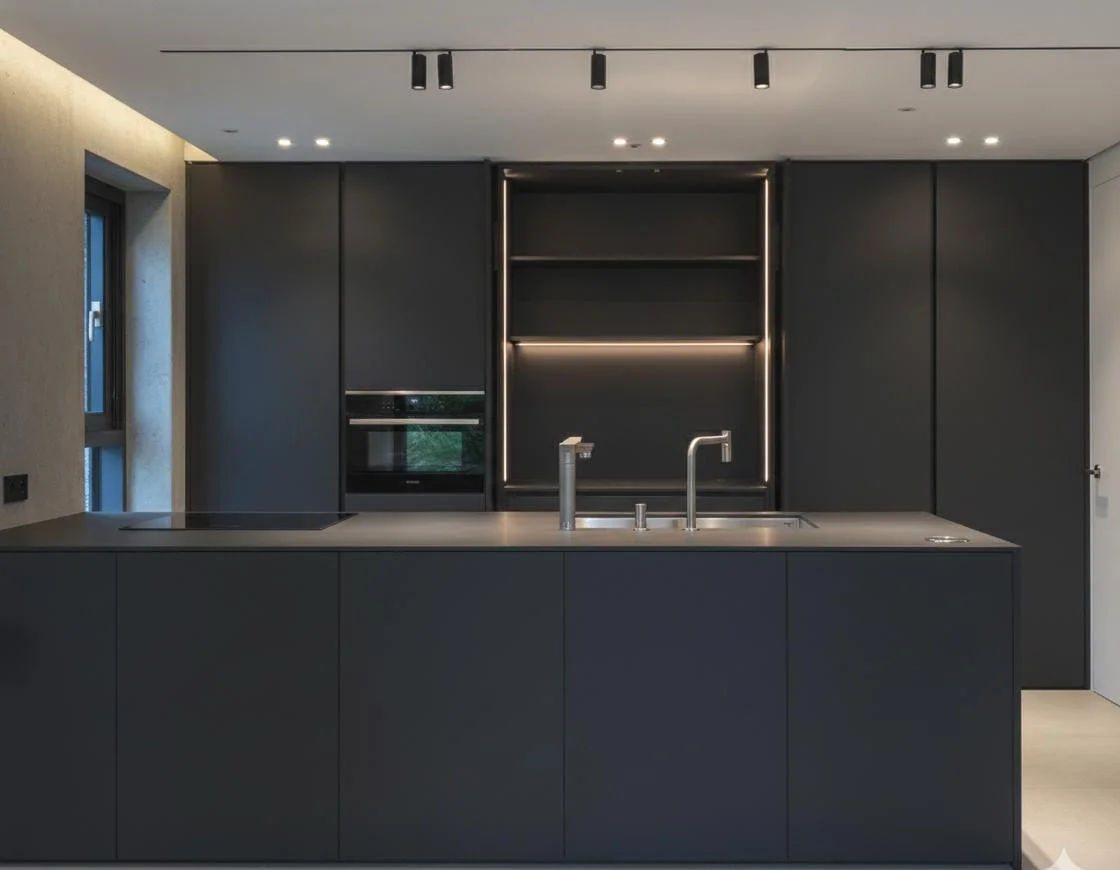
A building facade shapes a structure’s first impression, making the choice of exterior material an important design decision. Beyond visual appeal, modern facades need to withstand sunlight, rain, humidity, and temperature changes while maintaining their appearance. Exterior HPL cladding combines design versatility with practical performance, while Virgo HPL offers a range of colours, textures, and finishes that help architects and designers create contemporary facades with lasting visual appeal and durability.
The right cladding can enhance a building’s identity while supporting long-term maintenance and performance. From commercial and hospitality spaces to residential projects, exterior HPL offers flexible options for creating distinctive and functional facades.
Creating a Distinctive Architectural Identity
A well-designed facade gives a building a recognisable identity while complementing its surrounding environment. Exterior HPL cladding supports this objective through a broad selection of colours, patterns, textures, and finishes. Architects can use different surfaces to create contrast, highlight architectural features, or establish a consistent visual theme across an entire structure.
Instead of relying on conventional exterior surfaces, designers can introduce sophisticated textures and nature-inspired appearances that add depth to the facade. HPL panels can also be arranged in different orientations and combinations, allowing creative compositions that make a building visually engaging from different viewpoints.
Combining Appearance With Long-Term Performance
Facade materials must do more than look attractive. They need to handle outdoor exposure while maintaining their surface quality and structural reliability. Exterior HPL is engineered to provide a practical balance between aesthetic versatility and performance, making it suitable for demanding architectural applications.
-
Resistance to Weather Exposure
Exterior facades are continuously exposed to sunlight, rain, humidity, and fluctuations in temperature. High-pressure laminate cladding is designed for exterior applications and can offer dependable surface performance under changing environmental conditions when appropriately specified and installed.
-
Protection Against Surface Wear
Buildings in busy commercial and public areas can experience frequent contact, maintenance activity, and environmental exposure. Durable HPL surfaces can help resist everyday wear, supporting a cleaner and more consistent appearance over an extended period.
-
Easy Surface Maintenance
Facade maintenance can influence the long-term cost and practicality of a building. HPL surfaces are generally easy to clean, helping building owners maintain an attractive exterior without relying on complicated maintenance routines.
-
Design Flexibility
Modern architecture often combines multiple materials, colours, and textures within a single facade. Virgo HPL can support these creative requirements by offering surface choices that allow designers to develop coordinated or contrasting exterior compositions.
-
Suitable for Diverse Applications
Exterior HPL cladding can be considered for commercial buildings, educational facilities, hospitality projects, residential developments, offices, and other architectural structures. Its versatility allows designers to adapt the material according to the project’s visual and functional requirements.
Supporting Contemporary Facade Concepts
Modern architecture increasingly focuses on clean lines, balanced proportions, and purposeful material selection. Exterior HPL cladding fits naturally into these concepts because panels can create streamlined surfaces while introducing texture and visual variation. Designers can use horizontal or vertical arrangements to influence the perceived proportions of a building.
The material can also complement glass, metal, concrete, stone, and other facade elements. Combining surfaces strategically can create layered exteriors that feel refined without becoming visually overwhelming. This flexibility makes HPL a useful choice for projects where architectural expression and practical performance need to work together.
Improving Practicality Across Building Projects
Selecting a facade material involves more than choosing an attractive finish. Project teams must consider installation requirements, maintenance expectations, environmental exposure, design intent, and the overall character of the structure. Exterior HPL can address several of these considerations through its combination of durable surfaces and design flexibility.
Its panel-based application also allows architects to explore different facade patterns without compromising the overall design language. When properly specified, installed, and maintained, HPL cladding can contribute to a facade that remains visually appealing while supporting the practical demands of the building.
Key Benefits of Exterior HPL Cladding
Exterior HPL cladding offers a practical combination of durability, design flexibility, and easy maintenance, making it suitable for a wide range of modern architectural projects. Its key benefits can help designers create facades that remain visually appealing while meeting everyday performance requirements.
- Wide range of colours, textures, and decorative finishes
- Durable surface suitable for exterior applications
- Resistance to everyday surface wear
- Easy-to-maintain exterior finish
- Flexible design and panel arrangement options
- Compatibility with various architectural materials
- Suitable for commercial and residential projects
These benefits make exterior HPL cladding a practical consideration for projects that require both visual character and dependable facade performance. Careful product selection and professional installation further help ensure that the chosen cladding meets the project’s specific requirements.
Enhancing Value Through Thoughtful Material Selection
A facade can influence perceptions of quality, functionality, and architectural sophistication. Choosing a suitable cladding material therefore becomes an important part of the overall building design process. Exterior HPL provides designers with opportunities to create distinctive surfaces while addressing practical requirements associated with outdoor environments.
Its combination of visual versatility and durable performance can support facade concepts that remain relevant over time. Whether the design calls for a minimalist exterior, a warm natural appearance, or a bold contemporary statement, HPL offers options that can be adapted to the intended architectural direction.
Conclusion
For architects, designers, developers, and building owners seeking a balance between design appeal and exterior performance, selecting the right facade material is an important decision. Exterior HPL cladding offers the versatility to create distinctive architectural surfaces while supporting durability, maintenance, and long-term usability.
Those looking for a reliable premium laminates supplier can consider Virgo Laminates for surface solutions suited to contemporary architectural requirements. Virgo Laminates is positioned as a trusted provider of quality laminate solutions, offering diverse designs and finishes that help professionals bring refined and functional facade concepts to life.