
Why Select a Certified Caregiver Accredited Course?

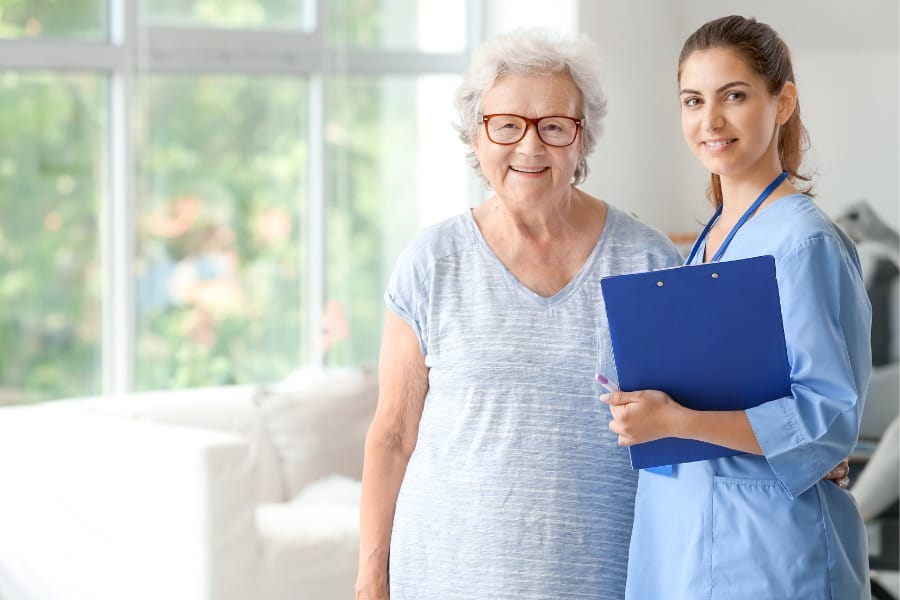
Having excellent intentions is not enough to show compassion for others. You should also be well prepared in case you desire to be employed in the field of healthcare, as a helper to the aging parents, or as a professional rendering the services of professional care.You will also be equipped with skills, competencies, and knowledge through a formal caregiver certification course, which will help you to provide quality and safe care.
What Is the Value of Certification
Caregiving is often assumed to be a natural ability. It is significant, and technical skill saves lives. Licensed carers are educated on safe patient lifting methods, medical emergencies, medication handling, and how to operate with great courage in complex situations.
Accredited programs are based on strict guidelines. They address everything from infection control to patient rights, communication strategies, and legal obligations. Caretakers with good intentions may inadvertently hurt the persons they are attempting to assist if they lack this basis.
Additionally, a professional qualification provides access to opportunities. Certified caregivers are required in most instances in the case of private households, home care organizations, and healthcare facilities. The certification shows that you comply with the standards of the industry and that you are serious about your work.
Key Competencies You’ll Learn
In addition to teaching practical skills, a good caregiver certification school imparts academic understanding. In order to prevent injuries when moving or lifting clients, students learn basic body mechanics. They tend for wounds, take vital signs, and identify the symptoms of common illnesses as part of their basic medical practice.
Communication skills are also given a lot of attention. Caregivers support those who might be nervous, confused, or angry over their medical situation. Training allows you to become able to speak clearly, listen, have empathy, and avoid overstepping boundaries in a professional manner.
Legal and Moral Underpinnings
As a caregiver, one has a lot of legal responsibilities. Accredited courses include privacy regulations, patient rights, and mandated reporting. Students learn when they should seek the assistance of authorities or other professionals in the name of protecting their clients.
There are often ethical dilemmas in taking care of others. Do you handle a client who declines to take their medication? Regarding care decisions, how do you resolve disputes within the family? In order to prepare graduates for challenging situations, training programs simulate real-world events.
Also covered in detail are the documentation requirements. Caretakers are required to maintain thorough records of prescriptions, mishaps, and modifications to victims’ conditions. Medical mistakes or legal issues may result from inadequate documentation.
Gaining Self-Belief in the Workplace
The duties of new caretakers can leave them feeling overburdened. Formal training uses supervised practice and structured learning to increase confidence. Students work with teachers who may respond to inquiries and offer comments on how they are improving.
Schools are characterized by clinical rotations and internships. These practical experiences guided by a professional facilitate the students to apply the learned classroom knowledge in the real world. The practice helps in narrowing the knowledge gap between practice and the caregiving theory.
Continuous support is another benefit of certification. Programs that have earned accreditation usually provide professional networking opportunities, job placement support, and possibilities for ongoing education. Career success is facilitated for new caregivers by this network of support.
Identifying High-Quality Training Courses
The standards for caregiver training programs vary. Professional associations or governmental groups regularly evaluate accredited courses. By this monitoring, the curriculum is kept up to date with industry standards and Best caregiver training in dubai practices.
Seek out programs that provide thorough treatment of important subjects. Effective courses combine classroom education with hands-on skill development. The fundamentals of medicine, safety protocols, effective communication, and legal obligations should all be covered.
Specialized modules for various care settings are generally included in the top caregiver training offered in Dubai and other major cities. Elder care is the focus of certain organizations, while pediatric needs or disability support are the focus of others. Select courses based on your job objectives.
Prospects for Employment Following Certification
Caregivers with certification operate in a variety of settings. Frequently, hospitals, assisted living centers, and nursing homes use skilled personnel. Caretakers with the ability to work autonomously in clients’ homes are needed by home health services.
There is also the option of private duty caregiving. To give their loved ones individualized care, many families choose to work with licensed specialists. With flexible timing, this profession frequently pays well.
Eventually, some certified caregivers go on to become supervisors or launch their own organizations. Career progression can be supported in various ways by the foundation that a high-quality caregiver certification course provides.
Regional Training Benefits
Opportunities for job advancement and training vary by region. Although career and training opportunities are often greater in urban regions, competition is also more intense there. Some facilities cater to particular demographics or specialize in a particular kind of care.
Employment markets, cultural norms, and area legislation are all understood by local training programs. In order to help with job placement after graduation, they frequently keep up contacts with local healthcare providers.
Also influencing caring demands are demographics and climate. Elder care professionals are needed in areas with high retirement populations. Areas with distinct health issues might prioritize certain qualifications or abilities.
Making an Investment in Your Future
It takes time and money to enroll in high-quality caregiver certification programs, but the benefits last throughout your career. Certified carers usually have more job stability and make more money than untrained staff. They are also less likely to experience legal issues or workplace injuries.
The fulfillment that comes from giving high-quality care is yet another significant advantage. When caregivers are properly trained, they may preserve their own physical and mental health while really improving the lives of others.
Think about the expenses of the lack of appropriate training. Incompetent caregivers risk hurting themselves or their patients, getting sued, or having trouble getting a job. Professional possibilities are created, and these issues are avoided by investing in certified education.
Next Steps
Look at local opportunities that are available and compare their schedule, costs, and course content. Most schools offer weekend classes or evening classes so that they can accommodate working students. These online features may provide flexibility for face-to-face teaching.
Negotiate training suggestions and experiences with existing caregivers. Social workers, medical workers, and the facility managers are also capable of providing informative feedback regarding the quality of the program and the state of the labor market.
Conclusion:
Don’t make a snap choice. The certification course in care is a very important initial move towards a satisfying career in human services. Choose approved courses that are well-rounded and comprehensive in preparing one to enjoy and face the demands of professional care.
You can build a good, satisfying career on your own and really make a difference in people’s lives with the skills, credentials, and confidence of a good education.