
Why Proper Airflow Design Is Crucial for Your Facility

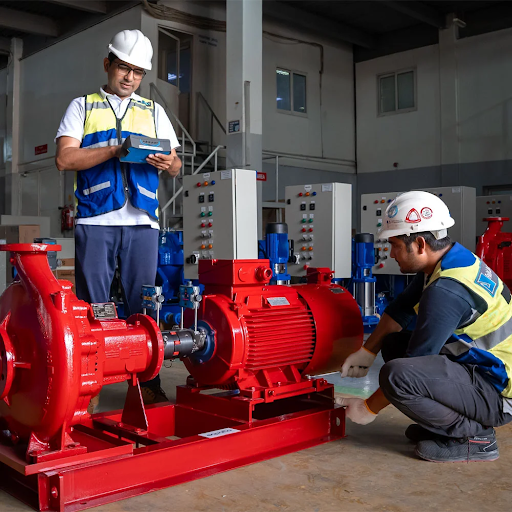
Proper airflow design is a critical aspect of any modern facility, impacting occupant comfort, equipment efficiency, and energy consumption. Inadequate or poorly planned airflow can lead to uneven temperatures, higher operational costs, and reduced indoor air quality. Engaging professional HVAC ductwork installation services ensures that your facility benefits from optimized air distribution, consistent temperatures, and efficient energy use. By focusing on precise design, installation, and maintenance, facilities can achieve reliable performance and a comfortable indoor environment.
Understanding Facility Airflow Requirements
Designing an effective airflow system begins with understanding the unique needs of a facility. Every building has different layouts, occupancy patterns, and equipment loads that influence air distribution.
- Evaluating Building Layouts: Analyzing floor plans and ceiling heights helps determine optimal duct placement and vent locations. Correct positioning ensures consistent airflow in every area and avoids hotspots or cold zones.
- Assessing Occupancy Patterns: High-density areas demand more ventilation to maintain air quality and comfort. Understanding peak occupancy allows the system to adjust airflow dynamically, preventing over- or under-ventilation.
- Accounting for Equipment Loads: Machinery and electrical equipment generate heat that affects temperature distribution. Factoring in these loads during design ensures uniform airflow and prevents overheating in critical areas.
- Considering Environmental Factors: External weather conditions, insulation levels, and building orientation can affect indoor air distribution. Proper planning helps maintain stability regardless of external conditions.
- Planning for Future Expansion: Anticipating growth ensures the airflow system is scalable. Extra capacity in ductwork allows new areas or equipment to be integrated without a complete redesign.
Designing Efficient Air Distribution
Efficient air distribution ensures that all areas of a facility receive the right amount of conditioned air. A well-designed system enhances comfort, energy efficiency, and overall operational reliability.
- Optimized Duct Layouts: Correctly sized and routed ducts minimize pressure loss and reduce turbulence. Organized layouts ensure even distribution and make maintenance easier.
- Variable Air Volume Systems: Implementing VAV systems allows airflow to adapt to changing conditions. This flexibility ensures consistent temperatures in all zones while conserving energy.
- Strategic Vent Placement: Proper vent and diffuser positioning prevents air short-circuiting and promotes uniform airflow. Strategic placement ensures every corner receives adequate ventilation.
- Balancing Pressure Zones: Pressure balancing within the duct network ensures that no areas are over- or under-ventilated. This improves both comfort and system efficiency.
- Regular Calibration and Testing: Routine testing of fans, dampers, and airflow sensors ensures optimal performance. Consistent calibration prevents inefficiencies caused by wear or environmental changes.
Integrating Advanced HVAC Technology
Modern technology plays a vital role in maintaining proper airflow and operational efficiency. Advanced systems provide real-time monitoring, automation, and predictive maintenance capabilities.
- Smart Sensor Integration: Sensors track temperature, pressure, and occupancy to dynamically adjust airflow. Real-time data ensures consistent conditions and improved comfort.
- Programmable Logic Controllers (PLCs): PLCs enable precise automation of ventilation systems. Custom programming ensures that each zone operates efficiently and reliably.
- Remote Monitoring Capabilities: Cloud-based systems allow facility managers to monitor performance from anywhere. Early detection of anomalies ensures minimal disruption to operations.
- Energy Optimization Systems: Integrated energy monitoring tracks consumption patterns and prevents overloads, maintaining efficiency without compromising airflow quality.
- Predictive Maintenance: Algorithms analyze historical data to anticipate component failures. Proactive maintenance reduces downtime and preserves airflow consistency.
Collaborating with Experts
Working with experienced professionals ensures proper design, installation, and maintenance, which is critical for maintaining system reliability.
- Skilled HVAC Engineers: Experienced engineers tailor airflow solutions to the facility’s unique needs. Their expertise ensures safe, efficient, and scalable systems.
- Quality Material Selection: Using premium materials for ductwork, vents, and fans enhances durability and prevents airflow disruptions caused by component failure.
- Precise Installation Practices: Correct installation reduces leaks, maintains system balance, and prevents uneven airflow. Attention to detail is critical for long-term reliability.
- Thorough Testing Procedures: Comprehensive testing simulates operational conditions to identify and correct potential issues before commissioning.
- Collaboration with Trusted Brands: Partnering with reputable HVAC manufacturers ensures access to reliable, cutting-edge components, improving system longevity and performance.
Maintenance for Consistent Performance
Even the best-designed airflow systems require regular maintenance to ensure consistent performance and energy efficiency.
- Routine Inspections: Scheduled inspections identify wear, dust accumulation, or damage early, preventing disruptions to airflow.
- Cleaning and Servicing: Maintaining clean ducts, vents, and components improves efficiency and air quality while avoiding blockages or pressure drops.
- Updating Control Systems: Keeping software and PLCs updated prevents operational errors and ensures the system responds effectively to changes in demand.
- Replacing Worn Components: Timely replacement of fans, dampers, and filters prevents airflow inconsistencies and prolongs system life.
- Operator Training and Documentation: Proper training ensures that facility personnel understand system operation and maintenance needs, reducing human error and improving reliability.
Energy Efficiency and Sustainability
Proper airflow design not only ensures comfort but also reduces energy consumption and environmental impact.
- Optimized Air Distribution: Balanced airflow reduces unnecessary energy usage, lowering operational costs while maintaining comfort.
- Zoning Solutions: Dividing facilities into zones ensures only occupied areas receive full conditioning, improving efficiency and reducing waste.
- Heat Recovery Systems: Capturing and reusing heat from exhaust air reduces HVAC load, saving energy while maintaining stable airflow.
- Insulation and Sealing: Properly insulated ducts prevent energy loss and maintain airflow pressure, ensuring consistent performance.
- Energy Monitoring Programs: Tracking energy consumption allows managers to adjust operations and maintain efficiency without compromising indoor air quality.
Conclusion
Proper airflow design is essential for ensuring reliable, efficient, and comfortable indoor environments in industrial and commercial facilities. Well-planned ductwork, advanced control systems, and regular maintenance work together to prevent uneven airflow, reduce energy costs, and enhance operational performance. Every component, from duct layout to smart sensors, plays a role in creating a safe, efficient, and consistent airflow system.
For facilities seeking expert solutions, Faisal Jassim Group provides comprehensive services with trusted HVAC manufacturers. With expertise in designing, installing, and maintaining advanced HVAC systems, the company ensures optimal performance, reliability, and efficiency. Partnering with Faisal Jassim Group allows facilities to maintain consistent airflow, improve comfort, and achieve long-term energy and operational benefits.