
What Are Electrical Transformers Used for in Today’s Energy Networks?

Electrical transformers play a crucial role in modern energy networks, ensuring the efficient transmission and distribution of electricity. Across the electrical transformers UK market, these systems ensure power arrives where it’s needed without losing strength or creating waste. Their presence supports everything from factories to neighborhood lines. Without them, modern grids would struggle to deliver a steady current. Even small changes in flow rely on their precision. Still, they work unseen beneath poles and behind walls.
How Electrical Transformers Work
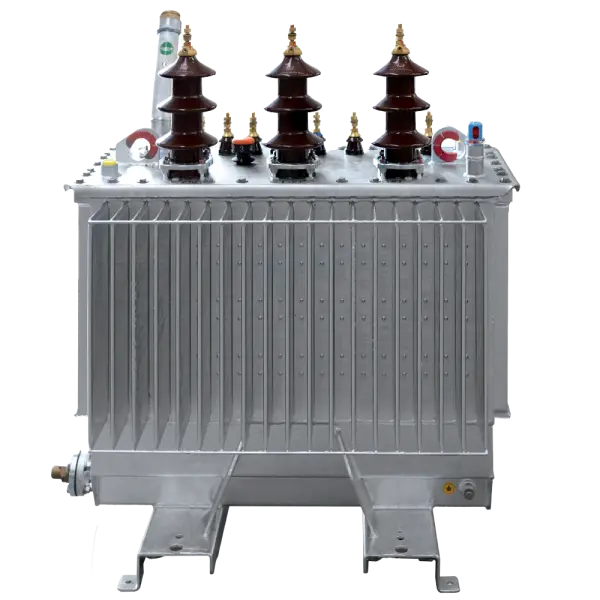
Electrical transformers move energy from one circuit to another using magnetic fields. Voltage goes up or down based on what the system requires. Power plants often use step-up types to send electricity far without losing much. When it reaches towns and factories, step-down versions take over, bringing voltage down for safe use. These shifts happen quietly, behind the scenes, keeping everything running.
Changing voltage is what keeps power systems running smoothly. Because of this, moving electricity across long stretches becomes less wasteful. High expenses and harmed equipment become more likely if these components are missing. Safety and performance depend heavily on their role.
Power Transmission and Distribution Role
High up on the list of uses for electrical transformers sits their role in moving power across distances. Power comes out of stations at a level too low for far journeys. At switching points, gear boosts that level way higher. This pushed-up force then moves through thick cables strung over vast stretches, wasting almost nothing along the way.
After power arrives in cities or factories, it passes through devices that lower its strength so people can use it. These adjustments make sure households and companies get steady, harmless current – enough for anything from lamps to heavy equipment running smoothly. What matters is stability; without proper control, everyday tools wouldn’t function right.
Folks often overlook how much electrical transformers do for smooth power delivery. When spikes hit, these units step in – balancing shifts in voltage so surges don’t disrupt service. Picture heavy usage times: homes firing up appliances, offices running machines – that’s when they keep current flowing without hiccups. Now imagine sunny days feeding excess solar juice into lines or gusty winds pushing erratic turbine output; here, transformers act like buffers. Without them smoothing mismatches between supply quirks and actual needs, blackouts would creep in more often.
Industrial and Commercial Support
What most overlook is how deeply embedded transformers are in daily operations across industries. From factory floors to server rooms, precise voltage control keeps machines running smoothly. Instead of one-size-fits-all models, many sites depend on custom-built units matched to their unique demands. Firms supplying transformers across the UK adapt closely to those requirements. Protection against surges and mismatches comes built into these systems, avoiding costly disruptions down the line.
Factories rely on transformers to tweak voltage levels – yet their role goes beyond that. Cutting off input from output, these units shield delicate machines from jolts and spikes. Sudden surges or wiring faults pose less threat when circuits stay apart. Places like phone networks, production lines, or medical centers can’t afford blackouts – they need steady flow without hiccups.
Connecting With Renewable Energy
Out here in the open field, solar panels feed raw power into big metal boxes that change how it moves. These machines take what comes out straight and turn it sideways so wires can carry it far away. Up on tall towers spinning slowly, wind makes jumpy currents that need smoothing before they join others down below. Each gust gets tamed by gear that sets its strength right for sharing across towns. Without these units humming quietly at every edge, clean energy would just sit stuck where it started.
Fueled by shifting power smoothly from green sources, transformers help cut down on pollution while backing cleaner energy habits. When it comes to gear built for sun or wind setups, vendors tend to offer units ready for wild weather plus uneven demand patterns.
Transformers Get New Tech Upgrades
Folks started with basic models, yet today’s electrical transformers look nothing like those first versions. Right now, gadgets that watch and tweak power on the fly are showing up more often across systems. Because they run smarter, less juice gets wasted while upkeep bills shrink without extra effort. Even when demand shifts suddenly, the network holds steady thanks to these updates.
Where cities pack a lot of people into small spaces, power needs get intense. Rooftop solar panels add more complexity to how electricity flows. These updated transformers adjust on their own when pressure shifts or usage spikes. Instead of failing under stress, they smooth things out. Power stays steady because the system reacts before problems grow. Everyone connected gets reliable service without sudden drops.
What’s changing is how transformers get built these days – less harm to nature matters now. Some companies swap out old-style oils for ones that break down naturally over time instead of sticking around forever. Efficiency gets better because less power slips away during operation, which quietly adds up. Lasting longer means fewer replacements pile up somewhere down the road. Sustainability takes shape slowly through choices like these behind the scenes.
Conclusion
Power moves across long stretches because of machines that change voltage levels. These devices sit quietly at the heart of how we deliver electricity safely and steadily. Instead of losing strength along wires, current stays strong when adjusted properly. Factories depend on them just as much as office buildings do. Even solar and wind setups need these units to feed into shared grids. As energy networks continue to expand and modernize, the importance of reliable electrical transformers supplied by trusted electrical transformer suppliers remains undeniable.
Frequently Asked Questions on Electrical Transformers
Q1: What types of transformers are commonly used in energy networks?
Power lines often carry electricity through special devices called transformers. These boost the voltage so power travels far without losing much strength. When it reaches towns, different units lower the voltage, making it safe for houses and offices. Some setups include isolation types, keeping delicate machines steady during spikes or surges. Protection matters just as much as delivery in these systems.
Q2: How do transformers support renewable energy integration?
Electricity from the sun and wind changes constantly. That is where transformers come in. These devices adjust power levels so they match what the grid needs. Instead of letting fluctuations cause issues, they smooth out the flow. Power moves across distances without losing strength. Stability grows even when input varies. Renewable sources become practical at large scale. Without them, mismatches could disrupt delivery. Consistent output supports daily demand. The system stays balanced through shifts in generation.
Q3: Why are modern transformers referred to as “smart”?
Fitted with sensors, smart transformers tweak voltage on the fly using automated controls. When demand jumps or drops, these units keep power steady without pause. Efficiency climbs because adjustments happen instantly, no delays. Places relying on solar or wind benefit most – power stays reliable even when supply wobbles. Downtime shrinks since issues get caught before they spread.
Q4: How do electrical transformers help prevent energy loss?
When electricity travels far, higher voltage means less current moves through wires – this cuts down energy lost as heat. Once it reaches homes, devices lower the voltage so it is safe to use. Efficiency stays high while keeping everything secure at the endpoint.