
Coronary Artery Bypass Graft Explained: Signs, Process, and Outcomes

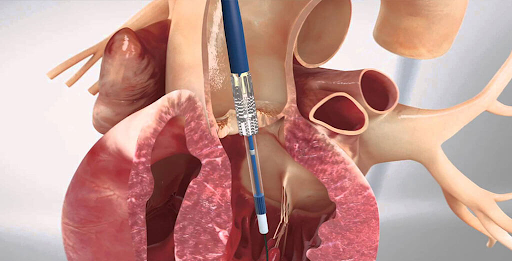
Heart health is central to overall well-being, yet cardiovascular diseases remain a leading concern globally. Among advanced treatment options, a coronary artery bypass graft (CABG) procedure is often a lifesaving intervention for patients with severe arterial blockages. Understanding when this procedure is recommended, what it involves, and its potential outcomes is crucial for patients and caregivers.
This blog provides an in-depth, professional overview of the key indicators, surgical process, recovery, and long-term expectations related to bypass grafts, offering clear insights for anyone exploring heart-related procedures.
Understanding the Key Indicators for Artery Bypass Graft Surgery
Before considering a surgical approach, it is essential to recognize the clinical signs and conditions that signal the need for a bypass graft. Identifying these indicators early can prevent further complications and guide timely intervention.
- Persistent Chest Pain (Angina): Angina that does not respond to medication is a primary indicator for bypass surgery. This pain, often triggered by physical exertion or stress, results from insufficient blood flow to the heart muscles. Persistent angina can significantly affect quality of life and may signal the need for more invasive intervention.
- Severe Coronary Artery Blockage: Diagnostic imaging, such as coronary angiography, can reveal blockages that are too critical to manage with medications or minimally invasive procedures. Patients with multiple blocked arteries or left main coronary artery obstruction are often recommended for a bypass graft to restore adequate blood flow.
- Reduced Heart Function: When heart muscle efficiency decreases due to poor circulation, surgery may be necessary. Reduced ejection fraction or weakened ventricular walls can increase the risk of heart failure, making bypass surgery a preventive and therapeutic strategy.
- Post-Heart Attack Intervention: Patients who have experienced a myocardial infarction may require bypass surgery to prevent further damage, especially if multiple arteries are affected. Timely intervention in these scenarios can save lives and improve long-term heart function.
- Ineffectiveness of Other Treatments: If medications, stents, or lifestyle interventions fail to control symptoms, bypass surgery becomes a necessary solution to reduce complications and improve quality of life.
Step-by-Step Overview of the Artery Bypass Graft Procedure
Navigating the surgical journey of a bypass graft involves multiple carefully coordinated stages. Understanding each step, from preparation to graft placement, helps patients and caregivers anticipate the process and its objectives.
- Preoperative Assessment: Patients undergo comprehensive evaluations, including blood tests, imaging, and risk assessments, to ensure they are suitable candidates. This step helps personalize the surgical plan and optimize outcomes.
- Harvesting the Graft: Surgeons select arteries or veins from the chest, leg, or arm to create the bypass. Common grafts include the internal mammary artery or the saphenous vein. The choice depends on patient health, graft durability, and surgical objectives.
- Surgical Technique: Traditional CABG involves opening the chest and connecting the graft to bypass blocked arteries. In some cases, minimally invasive techniques or off-pump procedures are used, reducing recovery time and complications.
- Restoring Blood Flow: Once grafts are connected, blood bypasses the blocked arteries, improving oxygen delivery to the heart muscle. Surgeons ensure all grafts function correctly before concluding the procedure.
- Immediate Postoperative Care: After surgery, patients are closely monitored in the intensive care unit for cardiac rhythm, blood pressure, and potential complications. Pain management, wound care, and respiratory support are critical during this phase.
Recovery and Rehabilitation After Cardiac Procedures
Postoperative care is as critical as the surgery itself. A structured recovery plan, including rehabilitation programs and lifestyle adjustments, plays a pivotal role in restoring heart function and improving overall quality of life.
- Hospital Recovery Timeline: Patients typically spend several days in the hospital following a bypass procedure. Early mobilization, breathing exercises, and monitoring for infections or fluid buildup are standard.
- Cardiac Rehabilitation Programs: Structured rehabilitation programs help restore physical activity, educate patients on heart-healthy practices, and provide emotional support. These programs significantly enhance long-term outcomes.
- Lifestyle Adjustments: Adopting a heart-healthy diet, managing stress, quitting smoking, and maintaining regular exercise routines are essential to prevent future blockages and support recovery.
- Medication Management: Patients often continue medications to control blood pressure, cholesterol, and blood clotting. Adherence is crucial for the success of the graft and overall heart health.
- Monitoring for Complications: Regular follow-ups with cardiologists help detect issues such as graft narrowing, arrhythmias, or infections. Early intervention can prevent serious complications.
Potential Risks and Expected Outcomes of Artery Bypass Grafts
While bypass surgery offers significant benefits, it is important to understand potential risks and realistic expectations. Evaluating the long-term success and possible complications helps patients make informed decisions and adhere to necessary follow-ups.
- Common Surgical Risks: As with any major procedure, CABG carries risks, including bleeding, infection, and adverse reactions to anesthesia. Understanding these risks allows patients to make informed decisions and follow postoperative guidelines carefully.
- Long-Term Graft Success: Most arterial grafts remain functional for 10–20 years, while vein grafts may last 5–15 years. Lifestyle changes, medications, and regular checkups improve longevity and graft efficiency.
- Symptom Relief and Quality of Life: Successful bypass surgery typically reduces chest pain, enhances exercise tolerance, and improves overall quality of life. Patients often report significant relief from symptoms that previously limited daily activities.
- Impact on Heart Function: Restoring blood flow allows damaged heart tissue to recover function gradually. In many cases, patients experience improved cardiac output and reduced risk of heart failure.
- Ongoing Health Maintenance: Continuous monitoring and preventive care remain essential. Regular cardiac assessments, risk factor management, and adherence to medical guidance ensure the long-term success of artery bypass grafts.
Conclusion
A coronary artery bypass graft is a transformative intervention for patients facing severe coronary artery disease. Recognizing the signs that indicate surgical need, understanding the procedure, and adhering to structured recovery protocols are critical to achieving optimal outcomes. Modern procedures offer patients a pathway to improved heart health, symptom relief, and a higher quality of life.
For those considering surgical intervention, consulting experienced cardiac specialists ensures the right approach tailored to unique health conditions. Explore expert guidance and advanced cardiac procedures from Dr. Udgeath Dhir for professional support in navigating complex heart care.