
Choosing the Right Tibetan Singing Bowl: Size and Tone Guide

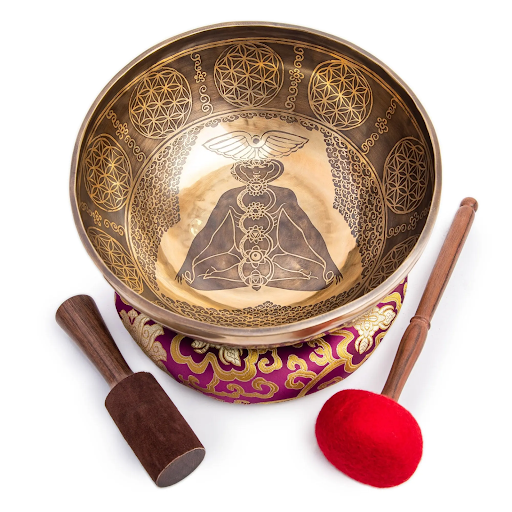
Tibetan singing bowls have been used for centuries to support meditation, relaxation, and spiritual practices. Whether you are a beginner or an experienced practitioner, selecting the right singing bowl is crucial to achieving optimal sound, resonance, and emotional balance. This guide explains how to choose the perfect bowl based on size, tone, and purpose. It also highlights related tools, including singing bowls of Tibet, to enhance your practice.
Understanding these instruments ensures that each session is effective, calming, and transformative, allowing you to fully experience the harmonizing vibrations that promote mindfulness, inner peace, and spiritual growth.
Understanding Tibet Singing Bowls
Tibetan singing bowls are handcrafted instruments traditionally made from a combination of metals, each with unique vibrational qualities. These bowls are not just musical instruments; they are tools for meditation, healing, and mindfulness. The harmonic tones produced by a singing bowl create a calming environment, helping the mind focus and reduce stress.
The size and shape of the bowl play a significant role in the depth and duration of the sound. Larger bowls produce deeper, longer-lasting tones, ideal for group meditation or sound therapy. Smaller bowls have higher-pitched tones and are more suitable for personal meditation practices or daily mindfulness routines.
Choosing the Right Size
Selecting the appropriate size of a singing bowl depends on your intended use:
- Small Bowls (3–5 inches): These produce higher, more delicate tones. They are perfect for individual meditation, chakra alignment, or travel. Small bowls are easy to handle and play with, making them ideal for beginners.
- Medium Bowls (6–8 inches): These are versatile, offering balanced tones suitable for meditation and sound healing. They can be used for personal practice or shared group sessions.
- Large Bowls (9 inches and above): Large bowls produce deep, resonant sounds that can fill a room. These are ideal for professional sound therapists, yoga classes, or group meditations. The vibrations of larger bowls are more profound, aiding in deep relaxation and chakra balancing.
Understanding Bowl Tone
Tone is one of the most critical factors when choosing a singing bowl. Each bowl has a distinct pitch and resonance, which can affect your meditation experience. The tone is influenced by:
- Metal composition: Traditionally, bowls are made from a mix of seven metals, each contributing to a unique sound.
- Thickness and weight: Heavier, thicker bowls produce longer, deeper tones, while thinner bowls have higher-pitched, brighter sounds.
- Shape and rim: The curvature of the bowl’s rim impacts how smoothly it resonates and sustains sound.
When choosing a bowl, strike or circle the rim to listen to the tone. Trust your intuition—choose a sound that resonates with your body and mind.
Incorporating Meditation Sound Bowls into Practice
Using a meditation sound bowl effectively can enhance your mindfulness, reduce stress, and improve focus. Here are some tips:
- Start Slowly: Begin by striking the bowl gently or circling the rim with a mallet to produce a steady tone.
- Focus on Breath: Synchronize your breathing with the bowl’s vibration to deepen relaxation.
- Experiment with Placement: Place the bowl on a flat surface or in the palm of your hand to explore different resonances.
- Combine with Other Tools: Pair your singing bowl with Tibetan ritual bells to create layered soundscapes for meditation or yoga practice.
Tibetan Tingsha Bells: Complementary Tools
Tibetan tingsha bells are small, traditional cymbals connected by a leather cord, designed to produce sharp, clear, and resonant tones. Widely used in meditation, rituals, and sound healing sessions, these bells complement singing bowls by providing high-frequency vibrations that help clear negative energy, enhance focus, and deepen mindfulness.
Practitioners often use tingsha bells to mark the beginning and end of meditation, signal transitions during mindfulness exercises, or add layers to sound baths. Their crisp, harmonious sound supports relaxation, emotional balance, and spiritual awareness, making them an essential tool in both personal and group meditation practices.
Caring for Your Tibetan Singing Bowls
Proper care ensures your bowl maintains its sound quality and longevity.
- Cleaning: Wipe gently with a soft, dry cloth. Avoid abrasive cleaners.
- Handling: Handle with care, particularly the rim, to avoid dents that affect tone.
- Storage: Store in a padded bag or on a cushion to prevent scratches and preserve resonance.
- Play Mindfully: Use appropriate mallets or strikers to avoid overstriking, which can damage the bowl.
By following these practices, your singing bowl can provide decades of meditative and therapeutic use.
Benefits of Using Tibetan Singing Bowls
Engaging with singing bowls regularly offers multiple benefits:
- Stress Reduction: The vibrations promote relaxation and reduce cortisol levels.
- Enhanced Meditation: The sound aids concentration and mindfulness during practice.
- Energy Balancing: Harmonic tones help align and clear chakras.
- Emotional Healing: The sound creates a soothing environment that supports emotional well-being.
Integrating a healing sound bowl and Tibetan ritual bells into your spiritual practice enhances both physical and mental harmony, creating a deeper, more connected meditation experience.
Selecting Your First Tibetan Singing Bowl
When choosing your first singing bowl, consider:
- Your Purpose: Meditation, yoga, sound therapy, or chakra work.
- Size Preference: Small, medium, or large based on space and resonance needs.
- Tone Affinity: Trust your intuition when testing pitches.
- Craftsmanship: Handcrafted bowls from authentic artisans offer superior sound quality and cultural value.
Himalayan artisans handcraft each bowl using traditional techniques, ensuring authentic vibrational quality and aesthetic beauty. Their expertise guarantees that every singing bowl you select is not just an instrument but a piece of Himalayan heritage.
Conclusion
Enhance your meditation and mindfulness practices with authentic Himalayan tools. Discover authentic, handcrafted singing bowls of Tibet, prayer flags, and other spiritual tools. Each item is carefully made by skilled Nepalese artisans, preserving traditional craftsmanship and cultural heritage. By choosing these pieces, you support sustainable artisan livelihoods while enriching your meditation, mindfulness, and wellness practices, bringing harmony, balance, and authentic Himalayan energy into your spiritual journey.
Enhance your meditation and mindfulness practices with authentic Himalayan tools. Discover Himalayan Bazaar for authentic, handcrafted Tibetan singing bowls, Tibetan ritual bells, prayer flags, and other spiritual tools. Each item is carefully made by skilled Nepalese artisans, preserving traditional craftsmanship and cultural heritage. By choosing these pieces, you support sustainable artisan livelihoods while enhancing your meditation, mindfulness, and wellness practices.