
Best Materials for Building Durable Custom Boat Docks

A solid boat dock does not happen by simply laying wood across the surface of the lake. What it is made of decides how steady it stays, how long it lasts, even when nature pushes hard. Water rises and falls. Sun beats down. Rain soaks in. Wind batters corners. Through all that, a good structure holds firm – safe to walk on, pleasant to look at. When people choose custom designs, they pick exactly what fits their shoreline, how they plan to use it, and what feels right to them – all without sacrificing strength over time.
Built into bigger waterside developments – like boat harbors, working wharves, or public lakefront areas – docks play a key role. Such builds demand substances tough enough for constant moisture, heavy use, steady footflow. Picking suitable parts early on cuts down upkeep, slows deterioration, keeps the whole shoreline system running smoothly.
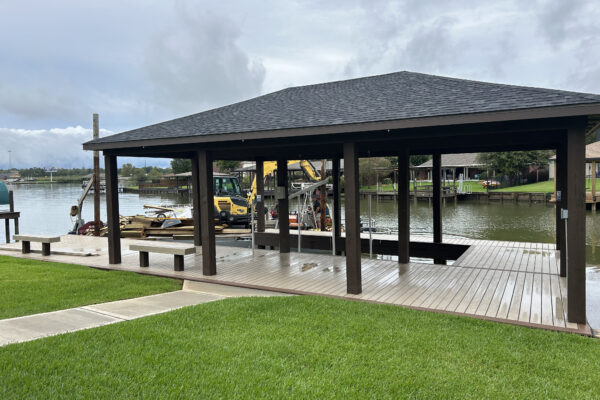
Understanding Environmental Challenges
Facing the water means dealing with tough surroundings. Because of never-ending contact with waves, sun, and shifting skies, building parts get worn down over time. Wood that is strong at first might twist or break apart when left bare. Protection matters just as much for metal – it can weaken from rusting. Especially where salt fills the air, things fall apart faster than expected. Choosing what to build with becomes a matter of staying ahead of damage.
When thinking about custom boat docks, property owners need to check several things early on. Because weather conditions differ, picking materials means looking closely at salt levels in the water. Tides rise and fall – this affects how stable a dock stays over years. How people plan to use the structure shapes what works best beneath the surface. Big builds out at sea face tougher demands than small ones near shore. Saltwater eats away at weak parts, so stronger choices often last longer when waves crash daily.
Wood Traditional Use Strengths Limits
A favorite among dock builders for ages, wood brings a look that fits right into lakeside scenes. Cedar, pine, or redwood – these types show up often since they fight rot and bugs on their own. When chemicals get pressed into the planks, life gets longer even when wet or under harsh sun.
A fresh angle on custom boat docks begins with wood’s knack for bending to creative shapes – easy to saw, mold, or link into L-style or T-form builds. Since it adapts so readily, builders often lean toward floating versions too. Still, skipping upkeep leads straight to trouble. Without sealing now and then, moisture sneaks in. Rot sets in faster when sun, salt, and waves pound the grain daily. Splinters show up. Boards twist out of place. Even if it looks warm and inviting at first, long-term strength needs sharp attention. Think inspections every few months. Stain helps – but only if applied before damage starts.
Composite Decking Stays Strong with Little Care
Floating free from constant care, these dock surfaces last years without fuss. Built by pressing wood scraps into plastic goop, they laugh off wetness, bugs, sun cracks, and decay. Performance stays steady, looking much like day one, asking little beyond basic attention. Tough bones stay intact even when weather tries its worst.
Starting fresh each time, choices in look and feel give custom docks a way to blend with nearby landscapes. Because they skip the need for regular sealants or dyes, upkeep takes less doing than old-style timber. When waters rise and fall often, spots that see heavy use hold up better when built with synthetic planks. These substances push back against warping, shifting, and wear from constant exposure outside.
Steel and aluminum strong lasting materials
Out in the open water, steel shows up strong where weight matters – piers, harbor frames, dock legs. Its muscle handles tons without bending, a go-to when ships come close daily. On another note, aluminum doesn’t fight rust like others do; instead, it stays light on its feet even after years near salty spray. Frame by frame, choice shapes function: one stands firm under pressure, the other weathers time quietly.
Floating on water doesn’t stop steel from rusting – coatings help it last longer when holding up custom docks. Wood or composite planks gain strength and endurance when metal enters the picture below them. Aluminum steps in without needing extra layers, its body fighting off decay by itself. Weight matters less when beams underneath stand firm through storms and shifting tides. Time passes slower for structures built with both tough fibers and smart metals beneath the surface.
Concrete Provides Stability in Permanent Buildings
When it comes to long-lasting docks, nothing beats concrete. Built to handle tough weather, poured or precast sections hold up without rotting over time. These sturdy parts keep boats and gear firmly in place. Out on the water, strength matters most – especially at piers or loading zones. Heavy use doesn’t crack them easily, which makes concrete a go-to for solid waterfront builds.
Even though pouring concrete needs precision to avoid cracks or wear, its lifespan stands out above others. When paired with materials like wood, metal, or composites, visual interest grows without sacrificing toughness. Because it withstands constant contact with water so well, many pick it for spots where levels shift often or flow runs fast.
Hidden Fasteners and Hardware Matter
What keeps custom boat docks strong isn’t just the deck or frame. Hidden parts like fasteners and braces matter just as much. These small pieces hold everything together, season after season. When made from stainless steel or coated metal, they fight off rust without failing. Over years, such hardware locks connections tight, even in wet conditions.
Out at sea, picking the right parts matters more because water never stops soaking into everything. When bolts or screws are cheap or bare, they give out – then the whole pier suffers. Experts say go for strong metals that last just as long as the wood or concrete they hold, handling the same weight and wear. That way, nothing weakens faster than the rest.
Design That Lasts Over Time
A strong dock begins with tough materials, yet that alone won’t guarantee it lasts. Good layout plays a big role, cutting down future upkeep while adding years to its life. Sections you can take out, decks that float, plus floors that shed water help ease pressure on parts and make checking or fixing things easier. Where you put posts and braces matters – spacing them right spreads weight evenly so one spot doesn’t weaken faster than another.
Few things matter more than smart upkeep plans when big marine builds link several docks or piers. Built-in room for checks, scrubbing, or swapping parts means less time stopped and longer life. Safety stays high, operations keep moving – year after year.
Custom Material Combinations
Custom boat docks let you mix materials in smart ways. Imagine using composite boards on top because they stay looking good without much work. Steel posts hold everything steady below water. Wooden touches add warmth where it matters. Each part plays a role based on what it does best. Owners shape the design around how they live, what nature brings, plus how they want it to feel. Choices respond directly to real needs, nothing more.
When building docks, using a blend of materials helps handle heavy loads better, resist rust more effectively, sometimes adjust easier as water rises or falls. A well-thought-out layout makes sure every piece works smoothly with its neighbor so things stay useful looking good longer than usual.
Conclusion
Choosing good materials matters when making custom boat docks built to last through tough weather and constant use. Beauty comes naturally with wood, yet it needs frequent care over time. Composite options resist wear without much effort, lasting years with little attention. Supports made from steel or aluminum add strength where it counts. Concrete works best when total steadiness is needed, especially for big or fixed setups. Strong bolts and fittings make a difference, just as much as planning access for future repairs. Design choices shape how long things hold up – smart picks pay off later. Safety, looks, and usefulness stay in step when materials match the setting well. A shoreline structure can remain useful – and pleasant – for many seasons ahead.
Frequently Asked Questions
- How long do different materials hold up when used for made-to-order docks on water?
Facing heavy weather? Composite decking holds up well, resisting rot plus fading over time. Treated wood fights moisture damage yet needs regular care to stay strong. Steel stands firm under load but can rust if left unprotected. Aluminum shrugs off corrosion, light and tough where salt air hits hard. Concrete lasts decades, handling weight and heat without bending or burning.
- Can I combine different materials for a dock?
Using different materials for decking, pilings, and supports can work well together. This mix helps balance how long it lasts, how it looks, plus what it costs. Each part might need something unique. Wood here, steel there – choices add up quietly. Some spots call for strength, others for charm. Cost shifts when you swap one piece for another. The whole setup changes with each pick. Flexibility comes from not sticking to just one type.
- How important are fasteners in dock construction?
Nails and bolts hold things together when built right. Rust-proof types – like stainless or coated metal pieces – keep connections tight, even in wet air. What matters most? They won’t weaken after years outdoors.
- What maintenance is needed for long-lasting docks?
Every now and then checking things, wiping away dirt, sometimes adding a shield-like coat – these steps matter. Good planning at the start plays a quiet role too. Decades pass, yet how it works and looks holds steady because of these small acts.