
Are All Cars at Salvage Auctions Already Rebuilt?

Many consumers of salvage automobiles question if the vehicles at salvage auctions are already rebuilt or if more repairs are needed. This is a very important factor as it determines the time, work, and expenses required to get an automobile roadworthy once again. The reality of salvage auctions, the kinds of vehicles on offer, and what purchasers should know before buy salvage cars will be discussed on this blog.
Understanding Salvage Auctions
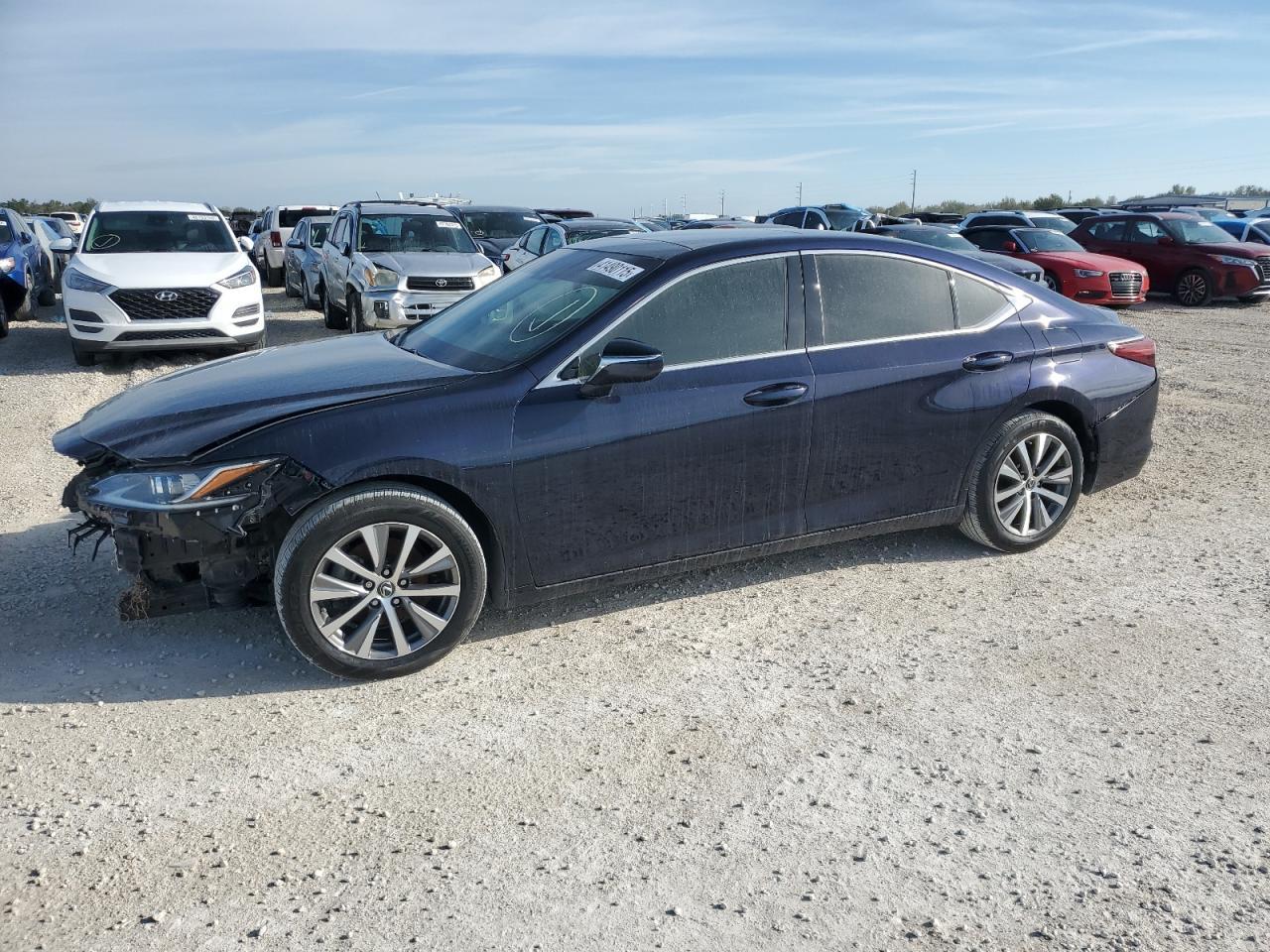
Vehicles judged a total loss by insurance carriers are available at salvage auctions. This merely implies the cost to restore the automobile was more than its market worth at the time of damage; it does not always mean the car is beyond repair. Salvage autos range in condition from somewhat damaged to totally ruined. While some cars may already be rebuilt, many need repairs before they may be driven lawfully.
What Types of Cars Are Found at Salvage Auctions?
Vehicles available in salvage auctions range from:
- Wrecked cars require significant repairs after suffering great damage from floods, fires, or accidents.
- Some salvage vehicles have just slight damage, such broken lights, dents, or scratches.
- A tiny fraction of vehicles at salvage auctions had previously been refurbished and marked as “rebuilt.”
- Often with little or no damage but nevertheless classified as salvage, theft recovery vehicles are vehicles that were stolen and subsequently recovered.
Every category carries advantages and hazards, hence before making a bid, buyers should conduct their homework.
Are Some Cars at Salvage Auctions Already Rebuilt?
Indeed, although they are really unusual. A few automobiles in salvage auctions have labels like “rebuilt,” “reconstructed.” They have thus previously been assessed to satisfy road safety criteria and undergone repairs. At salvage auctions, most vehicles, nevertheless, are not rebuilt. Before they may be lawfully driven, they need repairs, inspections, and re-registration.
Buyers should nevertheless carefully check a rebuilt automobile even if it is declared so. A badly fixed car may have hidden problems that may haunt you later on. Before making a purchase, always advised to review the car history record and, if at all possible, have a professional examination.
What to Consider When Buying a Salvage Car?
Should you want to purchase salvage vehicles, you should give these considerations some thought:
- Degree of Damage: The degree of damage determines the needed effort and financial outlay for automobile restoration.
- Availability of Parts: While certain vehicles may need difficult-to-find components, others are simpler to fix since parts are easily accessible.
- Rebuilding Process: Before the automobile can be legally driven, you have to make sure it satisfies safety criteria. This includes obtaining it re-registered and inspected.
- Insurance Costs: Getting insurance for a rebuilt or salvaged title automobile may be more challenging or costly.
When attending a salvage auction, thoroughly assessing these elements will help you to make a wise choice.
The Process of Rebuilding a Salvage Car
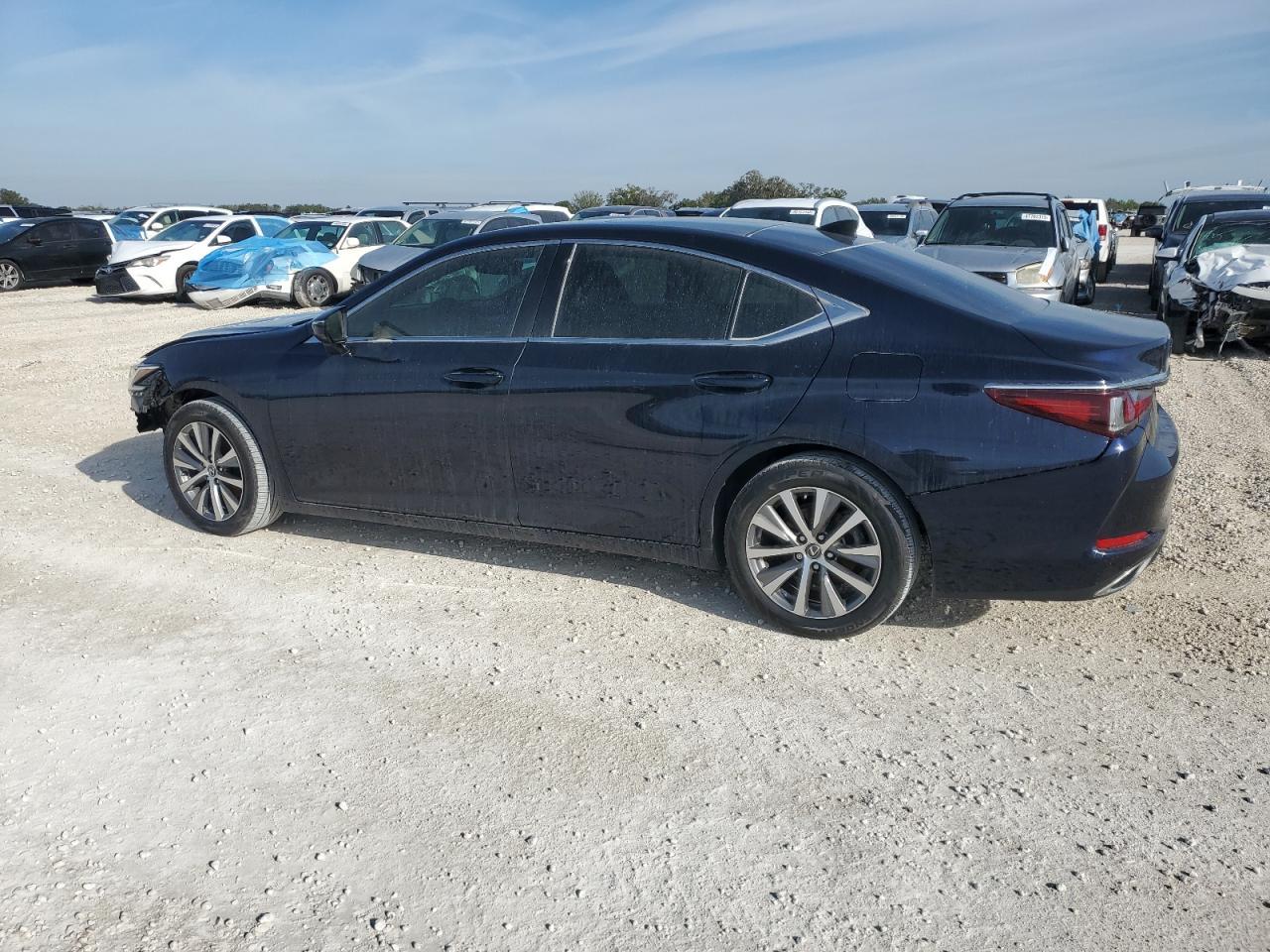
Rebuilding a salvage automobile starts with damage assessment and part procurement and proceeds through many stages. Industry norms must be followed during the repair procedure to guarantee the car is safe for driving. The automobile has to be inspected by a qualified authority once fixed to be sure it complies with traffic safety rules. It can only be marketed as a refurbished car and registered for usage then.
Rebuilding salvage vehicles allows many consumers to save money as compared to buying a similar automobile with a clear title. Still, it calls for technical expertise, patience, and a decent awareness of the rebuilding process.
Can You Drive a Salvage Car Without Rebuilding It?
Generally speaking, a salvage-titled automobile cannot be lawfully driven until it is completely restored and passes a safety check. Salvage title vehicles are deemed unroadworthy, that is to say they cannot be registered, insured, or driven on public roads. Purchasers of a salvage automobile should be ready to commit time and money to get it legally operational.
There are few exceptions, as when an automobile is purchased for off-road use or for parts. Still, a rebuilt title is needed for frequent use.
Are Salvage Cars a Good Investment?
If acquired sensibly, salvaging automobiles may be a good investment. For mechanics, budget-conscious consumers, and automobile buffs, they are appealing even if their costs are typically far cheaper than those of clear title vehicles. You can get a terrific deal if you have the ability to fix a salvage automobile or access to reasonably priced labor and components.
Not all salvage vehicles, meanwhile, are worth the money. Some might be costly to repair concealed damage. Making a wise purchase depends mostly on doing extensive research, verifying car history records, and scheduling expert inspections.
Conclusion
Not every automobile on salvage auction is previously rebuilt. Most need major maintenance before they can be driven legally, even while some may have been rebuilt and designated as such. Knowing the many kinds of automobiles on the market and the restoration process is crucial if you are trying to purchase salvage autos. Whether for personal use, resale, or components, salvage auctions may be a terrific source of reasonably priced cars with proper preparation and the correct expertise.
Frequently Asked Questions
- Can I insure a salvage car?
Indeed, but that relies on the insurance company. While some firms could deny coverage, others provide limited coverage for salvage vehicles. Though rates may still be more, a restored title automobile is easier to insure than a salvage title car.
- How do I check if a salvage car is worth buying?
Review the car history data, assess the degree of damage, factor repair costs, and, if at all feasible, acquire a professional opinion. A well-informed purchase could result in really large savings.
- What are the risks of buying a salvage car?
Risks include possible safety issues, concealed damage, expensive repairs, and trouble finding insurance. Research extensively before you buy something.
- Are financed salvage vehicles possible?
Funding a salvage automobile might be difficult as many lenders refuse to grant loans for vehicles bearing a salvage title. While certain niche lenders could provide funding, the perceived risk results in higher interest rates.
Keeping these factors in mind will help buyers make wise judgments and maybe discover excellent offers at salvage auctions.
- United States