
Why Simpler Crypto Access Models Are Changing How New Users Enter Digital Assets

Getting started with cryptocurrency still feels unnecessarily complicated for many people. Exchange signups, banking requirements, identity checks, trading interfaces, plus unfamiliar terminology create friction before a user even owns a digital asset. For first-time participants, the process often becomes the biggest barrier.
That gap has created demand for simpler entry methods. Instead of navigating exchange platforms immediately, users increasingly look for direct access models built around speed, accessibility, and ease of use. Within that shift, the idea of a prepaid crypto redemption platform has gained attention because it removes several traditional onboarding steps while giving users faster access to digital assets.
The interest is practical. Many users are not searching for advanced charting tools or leveraged trading products. They simply want a way to access, store, manage, and transfer digital assets without navigating layers of technical requirements. That demand continues shaping newer crypto access models built around simplicity rather than complexity.
Why Traditional Crypto Onboarding Pushes Many Users Away
Most people encounter obstacles before they ever complete a purchase. Bank integrations, verification queues, exchange dashboards, funding delays, alongside unfamiliar terminology can make cryptocurrency feel inaccessible. For users entering the market for the first time, that experience often creates hesitation long before ownership begins.
Across emerging markets, the challenge becomes larger. Access to traditional banking services is not always available, while many crypto platforms continue assuming users already operate inside established financial systems. As a result, alternative onboarding models continue attracting attention because they reduce dependence on traditional banking infrastructure.
Features Users Often Evaluate Before Accessing Digital Assets
Access models vary significantly between platforms. Some focus on trading activity. Others prioritize onboarding, wallet functionality, and asset accessibility. Several practical features continue receiving attention when users evaluate crypto access solutions.
Fast Redemption Processes
Waiting several days for access discourages participation. Users increasingly expect faster onboarding experiences. Redemption-based systems allow digital assets to become available shortly after account setup and code verification rather than requiring multiple funding stages.
Beginner-Friendly Interfaces
Not every user understands blockchain terminology. Clean navigation, simplified account management, plus straightforward wallet controls help reduce confusion during the early stages of crypto ownership. Many first-time users remain focused on usability rather than advanced functionality.
Mobile Accessibility
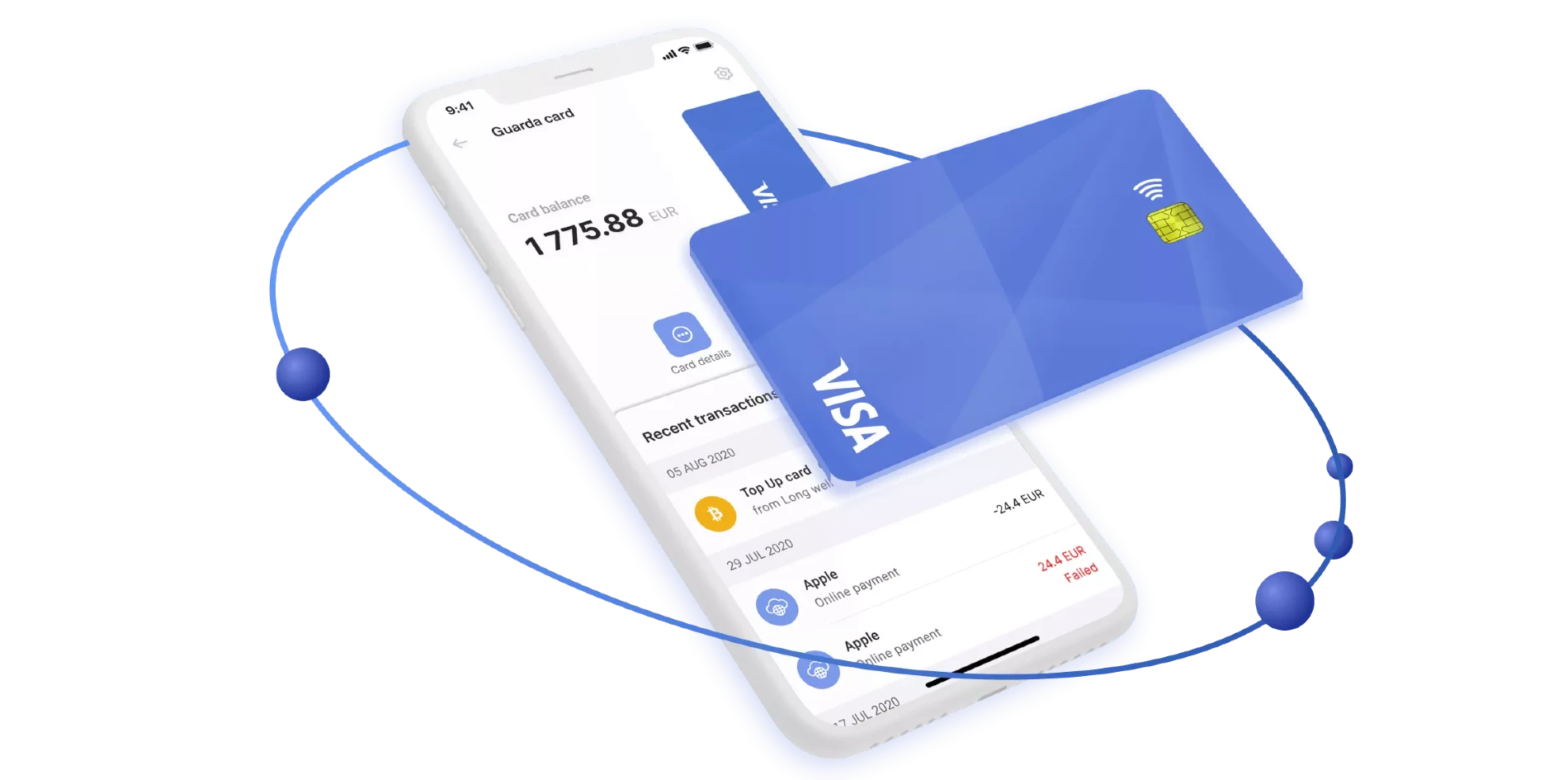
Most crypto activity now begins through smartphones. Mobile-first environments allow users to redeem codes, track balances, manage holdings, and monitor activity from a single application without relying on desktop platforms.
Wallet-Based Asset Management
Ownership does not end after redemption. Users generally want visibility into balances, transaction history, transfers, alongside asset management tools that remain accessible after funds become available inside the wallet. Many users evaluate convenience first. Then security.
Security Expectations Continue Growing Across Crypto Platforms
Trust develops slowly. Cryptocurrency ownership requires users to feel confident that assets, account information, and transaction activity remain protected throughout the process. Security therefore becomes part of onboarding rather than a feature considered afterward.
What happens if access feels simple but protection feels uncertain? Most users stop there. Because of that, platforms increasingly focus on combining streamlined access with secure infrastructure rather than treating convenience and security as separate priorities.
Encrypted Transaction Systems
Redemption activity, account access, and wallet interactions require protection at every stage. Encrypted systems help secure transaction activity while supporting safer movement of digital assets between supported environments.
Controlled Account Access
Account ownership depends on visibility and control. Authentication procedures, access restrictions, plus verification mechanisms help reduce unauthorized account activity while supporting safer wallet management.
Regulated Infrastructure Partners
Users increasingly evaluate platform relationships alongside platform features. Working with licensed and regulated service providers contributes additional operational structure while supporting compliant transaction environments.
External Wallet Transfers
Asset ownership often requires flexibility. The ability to transfer supported assets externally allows users to move funds beyond a single application environment after completing required verification procedures. Security becomes visible through process design. Not marketing language.
Access Models Built Around Prepaid Systems Continue Expanding
Prepaid systems solve a specific problem. They reduce dependency on bank accounts, payment cards, and exchange funding procedures. For users operating in regions with limited financial access, prepaid models create an alternative route into digital assets without requiring traditional financial infrastructure. (LinkedIn)
Several benefits continue driving interest:
- Access without relying on traditional banking systems
- Faster entry into digital asset ownership
- Reduced onboarding complexity
- Mobile-first account management
- Simplified redemption processes
- Flexible wallet-based asset control
The appeal is straightforward. Fewer steps. Faster access.
Stablecoins and Everyday Crypto Usage Are Driving New Demand
Many new users begin with stablecoins rather than volatile assets. The reason is practical. Stablecoins provide exposure to digital value while reducing some of the price fluctuations commonly associated with cryptocurrency markets. As adoption expands, access methods continue evolving alongside user preferences.
Users increasingly want digital assets that can be stored, transferred, monitored, and accessed without requiring extensive technical understanding. Simpler onboarding models support that objective by reducing friction between interest and participation. Not everyone wants to become a trader. Many simply want access.
Mobile Wallet Functionality Has Become Part of the User Experience
Ownership requires management. Once assets become available, users expect tools that allow them to monitor balances, review activity, and manage holdings without switching between multiple applications. Mobile wallet functionality now sits at the center of that expectation.
Several capabilities continue influencing user adoption:
Real-Time Balance Visibility
Users want immediate access to wallet balances and transaction updates without relying on delayed reporting systems.
Asset Tracking
Monitoring holdings across supported digital assets helps users maintain visibility over portfolio activity through a single interface.
Transfer Flexibility
Sending supported assets externally creates additional usability for individuals managing digital funds across different wallets.
Simplified Navigation
Clear interfaces reduce onboarding friction while helping users interact with digital assets without extensive technical knowledge. Ease of use remains underrated. Until it disappears.
Final Thoughts
Looking for a simpler path into digital assets without navigating traditional exchange complexity? For users exploring crypto buying with vouchers, accessibility, secure redemption systems, wallet functionality, mobile access, and streamlined onboarding continue shaping platform decisions. Positioned within this growing segment, Walleti provides a prepaid-card-based crypto access model that allows users to redeem codes, manage supported digital assets, access wallet functionality, transfer holdings externally after verification, and enter the crypto ecosystem through a process designed around speed, simplicity, and everyday usability.