
Benefits of Robotic Surgery Over Traditional Prostate Cancer Procedures

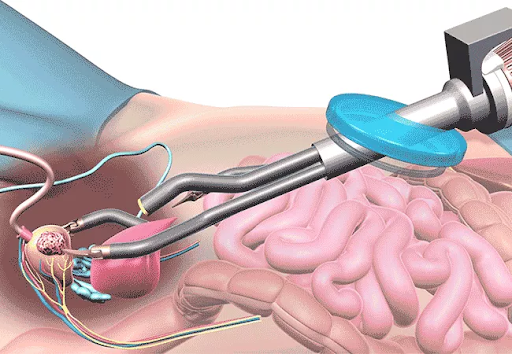
Prostate cancer is one of the most common cancers affecting men worldwide. Doctors often recommend surgery when the disease remains confined to the prostate gland and requires removal for effective treatment. Over the years, surgical methods have evolved to improve precision and recovery outcomes. One such advancement involves the use of robotic systems during surgery. Many specialists now consider robotic surgery for prostate cancer as a suitable option for eligible patients because it supports greater control during delicate procedures while helping reduce the impact on surrounding tissues.
Understanding Prostate Cancer Surgery
Doctors recommend surgery for prostate cancer when the tumour remains localised within the prostate gland and can be removed safely. When performing robotic surgery for prostate cancer, the primary aim is to remove the tumour while protecting surrounding nerves and structures that control urinary and reproductive functions. Surgeons carefully plan these procedures using diagnostic imaging to ensure treatment addresses the cancer while preserving quality of life.
Traditional Prostate Cancer Surgery
Traditional prostate surgery usually involves an open surgical method that requires a larger incision in the lower abdomen. This approach allows the surgeon to access the prostate gland directly and remove the affected tissues. While this procedure has helped treat prostate cancer for many years, the technique involves greater physical impact on the body because of the larger surgical opening. The size of the incision may influence recovery time, blood loss, and the length of hospital stay. These factors have encouraged the development of minimally invasive approaches that aim to perform the same procedure with smaller incisions and improved precision.
What Is Robotic-Assisted Prostate Surgery?
Robotic-assisted prostate surgery uses advanced robotic instruments that translate the surgeon’s hand movements into small and precise actions inside the body. The surgeon controls the robotic system through a specialised console while viewing the surgical area through a magnified three-dimensional display. The instruments operate through small incisions, which allows the surgical team to reach the prostate gland without making a large abdominal opening. Doctors often consider robotic surgery for prostate cancer when a minimally invasive approach may help improve surgical accuracy and reduce physical stress on the body during treatment.
Benefits of Robotic Surgery Compared with Traditional Procedures
Modern surgical systems have introduced several advantages that can support better treatment experiences for patients undergoing prostate surgery. Many specialists now evaluate robotic surgery for prostate cancer because the technology assists surgeons in performing complex procedures with greater control.
- Smaller Surgical Incisions: Robotic surgery uses small entry points, which may reduce tissue disruption and support smoother healing.
- Greater Surgical Precision: Refined movements allow surgeons to operate carefully around delicate structures surrounding the prostate.
- Improved Visualisation: Robotic systems provide a magnified 3D view, allowing surgeons to observe anatomical structures in greater detail.
- Reduced Blood Loss: Smaller incisions contribute to lower blood loss compared with traditional open surgery.
- Shorter Hospital Stay: Patients often require less time in the hospital, allowing for a quicker return to their home environment.
- Faster Recovery: Reduced tissue disruption typically supports a swifter return to daily activities.
Why Precision Matters in Prostate Cancer Surgery?
The prostate gland lies near several delicate nerves and structures that influence urinary control and reproductive function. Surgeons must work carefully in this area to remove cancerous tissue while protecting these surrounding nerves. High surgical precision plays an important role in achieving this balance. Robotic surgical systems assist surgeons by offering detailed visualisation and refined instrument movement. These capabilities can help the surgical team identify and preserve sensitive tissues during prostate cancer treatment.
Factors Doctors Consider Before Recommending Surgery
Doctors evaluate several medical factors before recommending surgery. These considerations help determine whether surgery offers the most suitable treatment option. Important factors include:
- Stage and grade of prostate cancer
- Patient age and general health
- Results of diagnostic tests and imaging
- Overall treatment goals and expected outcomes
Doctors usually discuss all available treatment options with the patient before deciding on the most appropriate approach.
The Role of Technology in Modern Cancer Treatment
Medical technology continues to improve the way doctors diagnose and treat complex conditions such as prostate cancer. Surgical advancements allow specialists to perform procedures with improved accuracy while aiming to reduce physical strain on the body. When used in appropriate clinical situations, technologies such as robotic surgery for prostate cancer may support better visualisation, precise surgical movement, and controlled tissue handling. These improvements can contribute to more refined surgical care while maintaining the primary goal of effectively removing cancer.
Conclusion
Prostate cancer surgery has progressed significantly as medical technology continues to improve treatment techniques. Traditional open surgery remains an important option, but minimally invasive procedures now provide additional possibilities for suitable patients. Robotic surgery for prostate cancer offers improved visualisation, greater precision, and smaller surgical incisions compared with conventional methods. When doctors carefully evaluate each patient and select the appropriate approach, modern surgical techniques can support effective treatment and a smoother recovery.