
How to Choose the Right ENT Camera for Modern Clinics

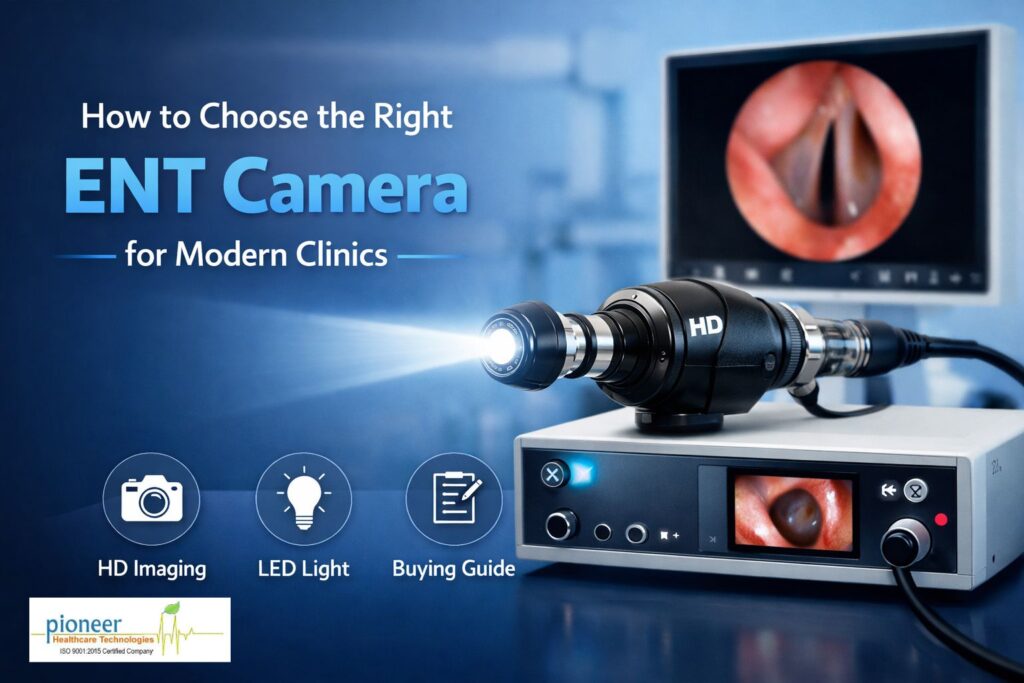
In modern otolaryngology practice, visualization plays a critical role in accurate diagnosis and effective treatment. An ENT Equipments is no longer just an optional accessory in a clinic — it has become an essential diagnostic tool. With rapid advancements in imaging technology, selecting the right ENT camera system can significantly improve clinical efficiency, patient communication, and overall treatment outcomes.
However, with multiple models and technical specifications available in the market, choosing the right system for your clinic requires careful evaluation. Here’s a complete guide to help modern clinics make the best decision.
1. Understand Your Clinical Requirements
Before selecting an ENT Equipments, clinics must assess their daily case load and procedural requirements. Are you primarily conducting routine nasal and throat examinations? Or does your clinic perform advanced endoscopic procedures?
For general outpatient diagnostics, a high-definition portable camera system may be sufficient. However, surgical or procedure-based clinics require a system that supports recording, image capturing, and compatibility with endoscopic instruments.
Understanding your workflow helps in selecting a camera that aligns with your practice goals.
2. Image Quality and Resolution
The most important factor when choosing an ENT camera is image clarity. High-definition (HD) or Full HD resolution ensures better visualization of internal structures such as nasal passages, vocal cords, and ear canals.
Clear imaging helps in:
- Detecting early-stage abnormalities
- Improving diagnostic accuracy
- Enhancing patient education
- Reducing chances of misdiagnosis
Modern clinics should prioritize cameras with advanced sensors and optimized color reproduction for more precise clinical assessments.
3. Light Source Technology
An ENT camera system must include a powerful and reliable light source. LED light sources are preferred because they offer:
- Bright and consistent illumination
- Longer lifespan
- Low heat generation
- Energy efficiency
Proper illumination improves visibility during endoscopic examinations and minor procedures. Poor lighting can compromise diagnostic accuracy, even if the camera resolution is high.
4. Compatibility with Endoscopes and Microscopes
Modern ENT clinics often use multiple diagnostic tools, including rigid endoscopes and ENT microscopes. Therefore, the camera system should be compatible with existing equipment.
Before purchasing, confirm:
- Endoscope coupling compatibility
- C-mount or adapter availability
- Integration with existing monitors
- Connectivity with recording systems
Seamless integration ensures smooth workflow without additional setup complications.
5. Recording and Documentation Features
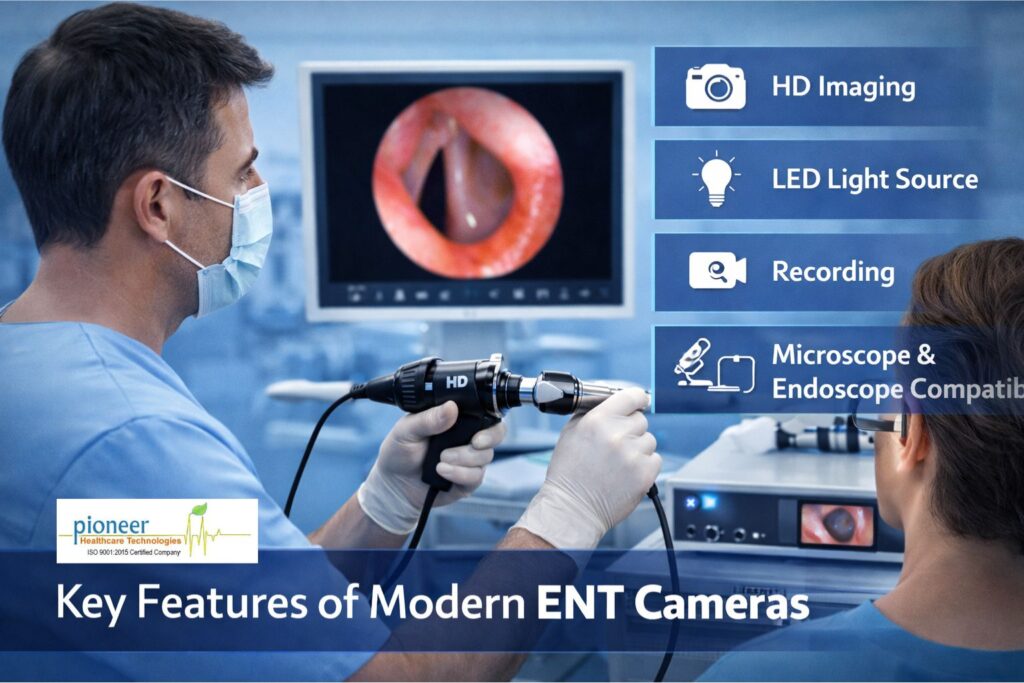
Documentation has become increasingly important in clinical practice. A quality ENT camera system should support:
- Video recording
- Image capture
- USB or HDMI output
- Digital storage options
These features allow doctors to maintain case records, conduct follow-ups, and use recordings for educational or training purposes. Documentation also improves patient trust by enabling visual explanation of diagnoses.
Clinics looking for a reliable and advanced ENT camera system can explore modern solutions such as the CAM II Endoscopy Camera from Pioneer Medical, designed to deliver high-definition imaging and seamless integration for contemporary ENT practices.
6. User-Friendly Interface
Technology should simplify work, not complicate it. The camera system must have:
- Easy controls
- Quick setup
- Intuitive menu settings
- Lightweight design
A user-friendly system saves time during busy OPD hours and reduces staff training requirements.
7. Durability and Build Quality
ENT Equipments must withstand daily clinical use. Look for systems with:
- Strong build quality
- Heat-resistant components
- Reliable internal circuitry
- Stable image output
Investing in a durable system reduces long-term maintenance costs and equipment downtime.
8. Portability vs. Fixed Systems
Depending on clinic size and structure, portability may be important. Smaller clinics benefit from compact and portable camera systems that can be moved between rooms. Larger setups may prefer fixed systems integrated with ENT units.
Evaluate your clinic’s layout before making the final choice.
9. After-Sales Support and Warranty
Technical support is crucial in medical equipment. Before purchasing, confirm:
- Warranty period
- Availability of service engineers
- Spare part accessibility
- Customer support response time
Reliable after-sales service ensures uninterrupted clinic operations.
10. Budget vs. Value
While budget is always a consideration, clinics should focus on long-term value rather than the lowest price. A slightly higher investment in a high-quality ENT camera system can significantly improve diagnostic capability and professional reputation.
Consider the return on investment in terms of:
- Increased patient trust
- Better case documentation
- Improved treatment accuracy
- Enhanced clinic branding
Final Thoughts
Choosing the right ENT camera for modern clinics requires balancing image quality, compatibility, durability, and ease of use. As ENT practices continue to adopt digital advancements, investing in a high-performance camera system is no longer optional — it is a strategic necessity.
A well-chosen ENT Equipments not only improves diagnostic precision but also enhances patient communication and clinical documentation. By carefully evaluating features such as resolution, lighting, recording capabilities, and support services, clinics can select a system that supports long-term growth and professional excellence.
Modern ENT clinics that prioritize advanced visualization technology position themselves for higher efficiency, better outcomes, and stronger patient confidence in an increasingly competitive healthcare environment.
YOU MAY ALSO READ THE FULL BLOG:- ENT camera