
Mastering Elevator Planning: Expert Insights for Modern Buildings

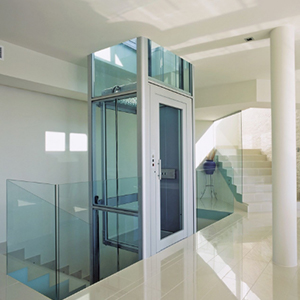
Elevators are vital components of modern buildings, providing safe and efficient vertical transportation for both people and goods. Understanding how different systems operate, especially when considering lift hydraulic designs, allows building owners and planners to select solutions that balance performance, comfort, and long-term reliability. This guide offers a detailed overview of elevator planning, installation, and maintenance to help stakeholders make informed decisions.
From low-rise residential complexes to mid-rise commercial buildings, choosing the right elevator system ensures operational efficiency and user safety. With careful planning, proper installation, and routine upkeep, elevators can provide years of smooth, reliable service, minimizing disruptions and long-term costs while enhancing the building’s functionality.
Introduction to Elevator Systems
Elevator technology has evolved significantly, offering various options tailored to specific building requirements. Among these, the lift hydraulic system is popular in low- to mid-rise structures due to its smooth performance, straightforward installation, and reliability.
Planning the right elevator system requires assessing the building’s height, usage patterns, and structural constraints. Understanding these fundamentals ensures safety, efficiency, and long-term value for both building owners and occupants.
Hydraulic Systems: Reliable and Smooth Operation
-
What Makes Hydraulic Elevators Unique
A hydraulic elevator uses pressurized fluid to move a piston or ram, which lifts and lowers the cab. This mechanism provides a smooth, vibration-free ride and does not require an overhead machine room, making it ideal for buildings with limited vertical space.
-
Optimal Applications
Hydraulic elevators are best suited for residential buildings, offices, and hospitals where frequent, low-to-medium traffic occurs. Their smooth start and stop function enhances passenger comfort during everyday use.
-
Space and Installation Considerations
Although hydraulic systems require a pit and space for a pump and fluid reservoir, the overall structural modifications are often less complex than those needed for traction elevators. This simplifies the planning and installation process.
-
Safety and Efficiency Features
Modern systems include safety valves, emergency brakes, and door sensors to protect passengers. Efficient control systems minimize energy consumption while maintaining consistent performance.
Planning Elevator Installation
Installing an elevator involves more than choosing a system, it requires analyzing building needs, traffic patterns, and technical specifications. Selecting a hydraulic elevator that matches these requirements is critical to long-term functionality, safety, and comfort.
-
Assessing Building Requirements
A thorough assessment of floor count, user volume, and future growth is necessary to determine which hydraulic elevator design best suits the building.
-
Load and Traffic Analysis
Understanding peak traffic and load expectations ensures the elevator system can handle daily operations efficiently. A properly sized hydraulic elevator prevents congestion and optimizes performance.
-
Compliance with Safety Standards
Elevators must meet local building codes and regulations. Early collaboration with certified engineers and inspectors ensures compliance and avoids costly delays.
-
Customization and Aesthetic Integration
Hydraulic elevator systems can be tailored to architectural designs, from glass panoramic cabs to space-efficient solutions, combining functionality with visual appeal.
-
Installation Coordination
Coordinating the elevator’s construction schedule, pit preparation, and electrical integration ensures timely installation without disrupting other building projects.
Conclusion
Elevator planning, installation, and maintenance require expertise, careful design, and ongoing attention to ensure performance, safety, and efficiency. Understanding lift hydraulic systems, choosing the right hydraulic elevator, and performing regular checks helps building owners make informed decisions.
Considering elevator costs over the lifetime of the system, ICARE Lifts System provides comprehensive solutions, from installation to maintenance and modernization. Partnering with experienced professionals ensures reliable, cost-effective, and safe vertical transportation for years to come.