
Is Buying a Tiny House for Sale Really Worth It Today?

The Tiny House Question Everyone’s Asking Right Now
People keep typing tiny house for sale into Google like it’s a late-night impulse buy. And honestly, I get it. Rents are wild. Mortgages feel like lifelong sentences. A tiny house looks simple. Clean. Freedom with wheels, maybe. But here’s the thing nobody likes to say out loud. Buying a tiny house isn’t just about the house. It’s about zoning rules, lifestyle shock, and figuring out whether you actually like living with less, or just like the idea of it. I’ve seen people fall in love fast, then panic six months later when storage runs out and the novelty fades. Tiny living isn’t magic. It’s a trade. Sometimes a good one. Sometimes not.
What “Tiny House for Sale” Actually Means in Real Life
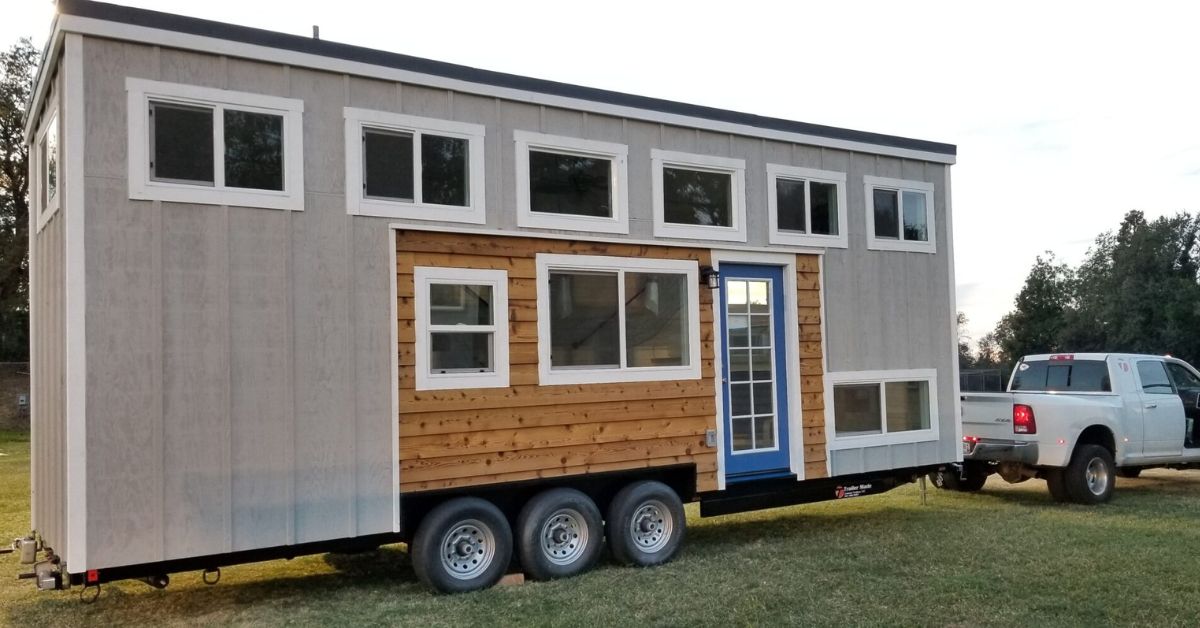
When you see a tiny house for sale online, that phrase covers a lot of ground. Some are on wheels, built like RVs but not legally RVs. Others sit on foundations and are basically small cottages. Some are beautifully built. Others… not so much. Photos can lie. Square footage always does. A 300-square-foot house sounds cozy until you realize your couch touches the fridge. And resale? That’s tricky. Tiny houses don’t always appreciate like traditional homes. They’re more like niche assets. The buyer pool is smaller. Passionate, yes. But small. You need to know what you’re buying, and who might want it after you.
Lifestyle Reality Check Before You Buy Anything
Let’s be blunt. Tiny living amplifies everything. Your habits. Your clutter. Your relationships. If you’re messy, a tiny house will expose that fast. If you work from home, where’s your desk going? If you cook a lot, is there real counter space or just a cutting board balanced over the sink? People romanticize minimalism, but living it is different. It’s daily decision-making. What stays, what goes. Over and over. Some folks thrive. Others feel boxed in. Before buying a tiny house for sale, spend time in one. Rent it. Borrow one. Don’t trust vibes alone.
Understanding Tiny House Code Before It Bites You
This part is boring, so people skip it. Big mistake. Tiny house code varies wildly depending on where you live. Some areas treat tiny homes like RVs. Others want them to meet residential building codes, which they often don’t. Ceiling heights. Stair requirements. Minimum square footage. All of it matters. You can buy a gorgeous tiny house and then find out you can’t legally live in it full-time where you parked it. That happens more than anyone admits. Always check local rules before buying, not after. Codes aren’t suggestions. They’re rules with fines attached.
Land, Parking, and the Myth of “Anywhere Living”
Here’s another truth. The house is only half the equation. Land is the real challenge. Owning a tiny house for sale doesn’t mean you can just drop it wherever you want. Zoning laws decide that. Some cities allow accessory dwelling units. Others don’t. Rural areas can be easier, but utilities get expensive fast. Septic systems, water hookups, power. It adds up. Parking a tiny house illegally is stressful. Always looking over your shoulder. That’s not freedom. That’s anxiety. If you want stability, figure out land first, then buy the house.
Financing a Tiny House Isn’t Like a Normal Mortgage
Most banks don’t love tiny houses. They don’t fit clean categories. Too small for traditional mortgages. Too permanent for RV loans sometimes. So people get creative. Personal loans. Cash purchases. Builder financing. Each option has trade-offs. Higher interest rates. Shorter terms. Bigger monthly payments. When you see a tiny house for sale at a “low” price, look at the full cost over time. Insurance too. Some insurers won’t touch them. Others will, but only under specific conditions. Ask questions early. Money surprises hurt more in small spaces.
Build Quality Matters More When Space Is Limited
In a regular house, bad design hides easier. In a tiny house, every flaw shows. Poor insulation means constant temperature swings. Cheap materials wear fast because everything gets used constantly. Stairs that are slightly off become daily hazards. If you’re buying used, inspect hard. Ask who built it. Was it DIY or professional? DIY isn’t bad by default, but experience matters. A well-built tiny house feels solid, quiet, calm. A rushed one feels like a rolling compromise. And trust me, you’ll feel that every day.
Resale, Exit Plans, and Thinking Two Steps Ahead
People don’t like planning exits when they’re excited. But you should. Life changes. Jobs move. Families grow. Health shifts. If you buy a tiny house for sale, think about how you’d sell it later. Is it mobile? Is it legal where it sits? Is the layout flexible? Loft beds are cute until your knees say otherwise. Single-purpose designs limit buyers later. The smartest tiny house owners think ahead. Not pessimistic. Just realistic.
Conclusion: Tiny Living Works Best When Rules and Reality Align
A tiny house can be a smart move. Or a stressful one. It depends on how honest you are going in. Don’t chase the aesthetic. Chase the fit. Know your local rules. Understand your habits. Respect the tiny house code before it becomes a problem. When lifestyle, location, and legality line up, tiny living can feel light. Free, even. But skip the homework, and that same small space can feel heavy fast. Smaller homes demand bigger thinking. That’s the deal.
Q 1: Is buying a tiny house for sale cheaper than a regular home?
Sometimes. Not always. The upfront cost is lower, but land, utilities, financing, and permits can close that gap quickly. It’s cheaper only if planned well.
Q 2: Can I live full-time in a tiny house legally?
That depends entirely on local laws. Some areas allow it. Others don’t. Tiny house code rules decide what’s legal, not the house itself.
Q 3: Are tiny houses good for families?
For some, yes. For many, no. Space limits privacy. It works best for couples or solo living unless designed very intentionally.
Q 4: Do tiny houses hold their value?
They can, but the market is smaller. Well-built, legal, and movable tiny homes resell better than custom or poorly documented ones.