
How to Accurately Set Hydraulic Pump Pressure for Target Foot-Pounds (Ft-lbs)

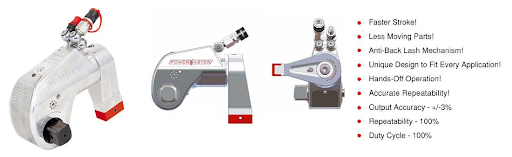
The right bolt load helps keep joints secure, prevent leaks, and reduce the risk of damage to costly parts. In industrial work, setting the correct pump pressure is key to reaching the required torque without overloading a bolt or joint. A hydraulic torque wrench uses hydraulic force to apply controlled torque, but the correct pressure depends on the tool model, its calibration, and the target torque value.
Check the Required Torque Before Setting Pressure
Start by checking the bolt specifications and the torque value stated in the work plan. The required torque is measured in foot-pounds (ft-lbs), while the pump gauge shows pressure, often in pounds per square inch (PSI).
These values are related, but they are not the same. Never assume that a set pressure will produce the same torque with every tool. Check the manufacturer’s torque chart for the exact wrench model before making any adjustments.
Match Pump Pressure to the Torque Chart
Each hydraulic wrench has a pressure-to-torque chart that links hydraulic pressure to the torque output. Find the target torque in the chart and note the matching pressure.
For example, if a joint requires a set torque, use the chart for that tool to find the correct pressure. Do not use a chart from another model, even if the tools look similar.
A hydraulic wrench may deliver a different torque at the same pressure due to its design and calibration. The chart provides the right starting point for accurate work.
Set and Check the Pump Pressure
Follow these steps to set the pressure safely:
- Connect the pump, hoses, and wrench as directed in the tool manual.
- Check the hoses, fittings, and couplings for wear or leaks.
- Set the pump regulator to the pressure listed in the torque chart.
- Run the tool according to the manufacturer’s instructions and check the gauge.
- Confirm that the pressure stays within the required range during operation.
Keep hands clear of moving parts and never adjust fittings while the system is under pressure.
Confirm Torque Accuracy During Bolting
Correct pressure alone does not ensure a sound joint. Bolt condition, thread friction, lubrication, and joint design can affect the final bolt load. Follow the specified tightening sequence and use the required bolt preparation method.
For critical joints, check the tool’s calibration status and keep records of the pressure and torque settings used. A hydraulic torque wrench should be serviced and tested at the intervals set by its manufacturer.
Conclusion
Accurate pump pressure helps teams meet torque targets, protect fasteners, and maintain joint safety. Bolting Systems provides hydraulic bolting tools and related equipment for industrial fastening needs, helping users select tools suited to their work. Before each job, check the torque chart, confirm the tool’s condition, and set the pressure based on the required torque. This simple process supports safer work and more consistent results.