
Why Handmade Tibetan Singing Bowls Are Valued for Sound Practices

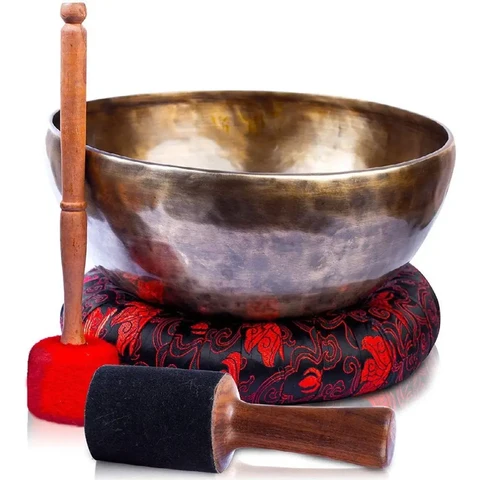
Sound plays an important role in meditation, mindfulness, yoga, and personal reflection. Handmade singing bowls are appreciated for their resonant tones, distinctive designs, and cultural significance. An original Tibetan singing bowl represents more than a musical instrument because its character reflects the craftsmanship, materials, and techniques involved in its creation.
From subtle variations in shape to the tones produced during playing, each bowl offers a unique experience for sound practices. Understanding their traditional background and handmade qualities helps practitioners, collectors, and wellness enthusiasts appreciate why these instruments continue to hold a special place in modern mindful routines.
The Cultural Significance of Singing Bowls
Singing bowls are associated with Himalayan cultural and spiritual traditions, particularly practices involving meditation, prayer, and mindful attention. Their familiar rounded forms and resonant sounds have made them recognizable instruments in wellness spaces around the world.
For many people, these instruments represent a connection between craftsmanship, cultural expression, and contemplative practice. Their significance extends beyond decoration because playing a bowl invites the user to slow down, listen carefully, and engage with sound intentionally.
What Makes Handmade Bowls Different?
Handmade singing bowls are shaped through processes that require patience, coordination, and experience. Depending on the maker and production method, artisans may heat, hammer, shape, refine, and polish metal to create the finished instrument.
Unlike products manufactured to identical specifications, handcrafted bowls can show subtle differences in shape, surface texture, weight, and appearance. These variations reflect the production process and contribute to each bowl’s individual identity.
Visible hammer marks may also provide clues about how a bowl was made, although appearance alone cannot prove authenticity. Buyers should consider the seller’s information about origin, materials, production methods, and quality checks.
How Craftsmanship Influences Sound
The sound of a singing bowl depends on its size, shape, metal composition, wall thickness, and playing technique. Skilled artisans carefully shape and refine each bowl, influencing its pitch, resonance, tonal depth, and sound duration.
Handmade bowls often feature subtle differences in texture and construction, giving each instrument a distinctive character. These variations explain why bowls of similar sizes may produce different tones.
When choosing a bowl, consider its craftsmanship, finish, and sound quality. Listening before purchasing can help you find an instrument that complements your meditation, yoga, or sound practice and matches your personal preferences.
The Role of Singing Bowls in Sound Practices
Modern practitioners use Tibetan sound healing bowls during guided meditation, sound baths, yoga sessions, and relaxation routines. Striking a bowl gently or moving a mallet around its rim produces resonant tones that encourage attentive listening. Practitioners can focus on changing sounds, breathing, and moments of silence to support mindfulness.
Some facilitators use singing bowls to begin or conclude sessions, creating a calming transition from daily activities to reflection. However, these instruments should not be considered cures for medical conditions. Their potential benefits should be understood within mindful practices, not as replacements for professional medical advice or treatment.
Preserving Traditional Nepalese Craftsmanship
Handmade bowls are part of a broader interest in traditional Nepalese crafts, where practical objects can also express regional artistry and inherited skills. Supporting responsible craft businesses can help maintain demand for specialist knowledge and create opportunities for artisans.
Traditional production often depends on techniques learned through practice and passed between generations. When buyers understand the labor involved, they can make more informed purchasing decisions and appreciate why handmade objects may differ in price.
Responsible sourcing matters, too. Customers should look for clear descriptions of where products are made, how they are produced, and what the seller can substantiate about artisan relationships. Ethical claims should be supported by transparent information rather than attractive marketing language alone.
Choosing a Singing Bowl for Your Practice
Selecting a suitable singing bowl begins with understanding how it will be used. Yoga teachers or sound practitioners may need instruments suited to larger rooms, group sessions, or a collection of complementary sounds.
Consider these practical factors before buying:
- Sound quality: Listen for a tone that feels clear and pleasant to you.
- Size and weight: Choose an instrument that is comfortable to handle and store.
- Craftsmanship: Examine the finish, construction, and available details about production.
- Playing accessories: Check whether a suitable mallet or cushion is included or available separately.
- Product transparency: Review origin information, dimensions, materials, care guidance, and return conditions.
Price alone cannot establish authenticity or performance. Comparing several options and asking specific questions can help you find a bowl that meets your expectations.
Caring for Handmade Singing Bowls
Proper care helps maintain a bowl’s appearance and usability. Handle it with clean, dry hands, place it on a stable cushion or soft surface, and avoid dropping it or striking it with excessive force. Use an appropriate mallet and follow the supplier’s cleaning recommendations.
Store the bowl in a dry location where it is protected from accidental knocks. If it has decorative engravings or a special finish, avoid harsh cleaning products that could damage its surface.
Before each session, position the bowl securely and allow enough space for comfortable playing. Gentle, controlled movements usually make it easier to explore its tone without creating unnecessarily harsh sounds.
Conclusion
Handmade singing bowls continue to attract interest because they combine distinctive sound, skilled workmanship, cultural associations, and practical use in meditation. Their individual tones encourage attentive listening, while their construction offers a visible reminder of the labor behind traditional instruments. An original Tibetan singing bowl can be a meaningful choice when its origin and craftsmanship are clearly explained and its sound suits the user. By considering quality, responsible sourcing, and personal preferences, buyers can appreciate these instruments with greater understanding and respect.
If you are looking for handcrafted singing bowls and meditation accessories, Himalayan Bazaar offers a collection inspired by Himalayan artistry. Explore singing bowls in various sizes and styles, alongside traditional sound instruments for yoga, mindfulness, and relaxation. Whether you are choosing pieces for personal practice, a wellness studio, a retail collection, or thoughtful gifting, review product details to find suitable options that complement your needs and appreciation for traditional craftsmanship.