
Best Bread Making Kits and How to Choose the Right Bread Proofing Container

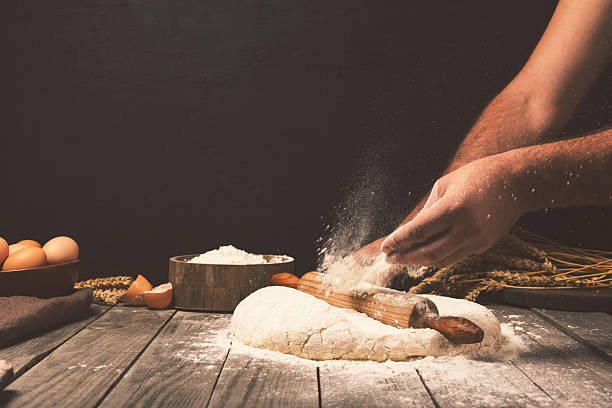
Look, I understand. You fell in love with the idea of making homemade bread after seeing that baker on YouTube pulled a beautiful golden loaf from his oven and shared the warm, fresh smell of it with you. But rushing into this hobby without knowing exactly what you are doing can lead to disastrous results for your dough. A good starter kit will guide you through the process. The best bread making kits aren’t just a box of stuff, they’re basically training wheels that actually teach you the process while you use them. And trust me, that’s not nothing when you’re starting from zero. I have bought probably six or seven of these kits over the past couple years, mostly because I’m a sucker for gadgets and partly because I kept gifting them to friends who complained their bread turned out flat. Some were genuinely great. Others, honestly, felt like someone threw a flour bag and a recipe card in a box and called it a day. So let’s talk about what separates the good ones from the junk.
What Actually Makes A Bread Kit Worth Buying
A decent kit isn’t about how many pieces it comes with. It’s about whether those pieces solve real problems beginners run into. Most people fail at bread not because they can’t follow a recipe, but because they don’t understand what dough is supposed to feel like, or how long proofing actually takes, or why their loaf spread out flat instead of rising up. A good kit addresses that stuff directly, usually with a scale (because measuring flour by cups is a disaster, don’t @ me), a bench scraper, maybe a lame for scoring, and — this one’s underrated — a proper bread proofing container.
I didn’t think much about proofing containers until I started using one regularly. Before that I was proofing dough in random mixing bowls covered with a damp towel, which, fine, works okay-ish. But a dedicated bread proofing container with volume markings on the side takes all the guesswork out. You can actually see when your dough’s doubled instead of poking it and hoping for the best. It sounds like a small thing. It’s not.
Ingredients Matter More Than People Think
Here’s something nobody tells you upfront — a lot of these kits skimp on flour quality or throw in some no-name yeast that’s half-dead by the time it ships to you. If you’re spending money on a kit, check what flour type it uses. Bread flour, not all-purpose, unless the recipe specifically calls for it. And the yeast should be fresh, ideally instant yeast in a sealed packet, not some loose stuff sitting in a bag for who-knows-how-long. I learned this the hard way with one kit where my dough just… sat there. Didn’t rise an inch. Turned out the yeast was basically dead on arrival.

Tools That Actually Show Up In Good Kits
The tools inside separate a serious kit from a gimmick one. A digital scale is non-negotiable, honestly, because bread baking is a science thing more than a cooking thing — ratios matter, and eyeballing them gets you inconsistent results every single time. Beyond that, look for a bench scraper (helps shape dough without it sticking to your hands like glue), a lame or sharp blade for scoring the top of your loaf so it doesn’t burst weird in the oven, and again, that bread proofing container I keep bringing up because it genuinely changes the experience.
Some of the pricier kits throw in a Dutch oven or a banneton basket too. Those aren’t essential but they do help, especially the Dutch oven, since it traps steam and gives you that crackly crust people love. If your budget allows for it, go for a kit that includes one. If not, don’t stress, you can always add it later once you know you’re actually into this hobby and not just trying it once.
Why Proofing Is The Part Everyone Underestimates
I’ll be blunt here — proofing is where most beginner loaves go wrong. People either under-proof (dough hasn’t risen enough, bread comes out dense) or over-proof (dough’s collapsed before it even hits the oven, and you get a sad flat pancake situation). A bread proofing container solves a chunk of this problem just by giving you a visual reference. Most good ones have measurement lines etched or printed right on the side, so you’re not guessing, you’re actually watching the dough climb.
Temperature plays into this too, and it’s something kits rarely mention clearly. Dough proofs faster in a warm kitchen, slower in a cold one. If your house runs cool in winter (mine does, it’s rough), your dough might need double the time the recipe says. That’s not the kit’s fault, that’s just how yeast works, it’s a living thing and it reacts to its environment same as anything else does.
Comparing Kits On Price Versus What You Actually Get
This is where I see people get burned the most. There’s a temptation to grab the cheapest kit on the shelf because hey, it’s bread, how hard can it be? But a fifteen dollar kit that skips the scale, gives you a flimsy plastic bowl instead of a real proofing container, and includes a recipe card written in font size six isn’t saving you money. It’s setting you up to fail and then blame yourself when really the tools just weren’t there.

On the flip side, you don’t need to spend eighty bucks either unless you’re planning to go all-in on sourdough starters and artisan loaves. Somewhere in the thirty-to-fifty dollar range tends to hit the sweet spot for most beginners — decent tools, a proper container, real ingredients, and instructions that actually explain the why behind each step, not just the what.
Sourdough Kits Versus Basic Yeast Bread Kits
Quick note here because people mix these up constantly. A sourdough kit usually includes a starter culture (or instructions to build your own from scratch, which takes about a week), and it’s a slower, more involved process overall. A basic yeast bread kit is way more forgiving and faster, you can have a loaf done same day. If you’re brand new to this whole thing, start with a yeast-based kit. Sourdough’s rewarding but it’s also a bit of a commitment, and nothing kills motivation faster than a failed starter on day three.
My Honest Take After Testing A Bunch Of These
If I’m being straight with you, the kits that stuck with me long-term weren’t the flashiest ones. They were the ones with solid basics done right — good flour, live yeast, a scale that actually worked, and a proofing container I kept using long after the kit’s recipes ran out. That last part matters more than people realize. A good proofing container isn’t a one-and-done tool, it becomes part of your regular baking setup, kit or no kit. That’s honestly the mark of a good purchase, when the tool outlives the “starter kit” phase and just becomes something you reach for every week.
Wrapping This Up
At the end of the day, picking from the best bread making kits isn’t about finding the one with the most pieces or the prettiest packaging. It’s about whether the kit actually teaches you something and gives you tools you’ll keep using. Pay attention to the ingredients they include, don’t skip on the scale, and honestly, don’t underestimate a good bread proofing container, it’ll save you more failed loaves than you’d expect. Start simple, be patient with your dough, and don’t get discouraged if your first loaf comes out looking a little rough. Mine did too. Second one’s always better.
FAQs
What should I look for in the best bread making kits?
Look for a digital scale, quality bread flour, fresh yeast, a bench scraper, and ideally a bread proofing container with measurement markings. Skip kits that skimp on ingredients or tools.
Do I really need a bread proofing container, or can I use a regular bowl?
A regular bowl works in a pinch, but a proper bread proofing container makes it way easier to track your dough’s rise since most come with volume markings on the side.
Are expensive bread making kits worth the extra money?
Not always. The sweet spot for most beginners is mid-range, somewhere around thirty to fifty dollars. That usually covers solid tools and real ingredients without paying for extras you won’t use yet.
Can beginners start with sourdough kits, or should they stick to yeast bread kits first?
Start with yeast-based kits. They’re faster and more forgiving. Sourdough is great but takes more patience and a bit of trial and error before it clicks.
Why does my bread come out flat even when I follow the kit instructions?
It’s often a proofing issue, either under-proofed or over-proofed dough. Using a bread proofing container with clear markings helps you catch the right moment instead of guessing.