
Sacred Offerings, Timeless Traditions: Understanding Pinda Daan Ceremonies

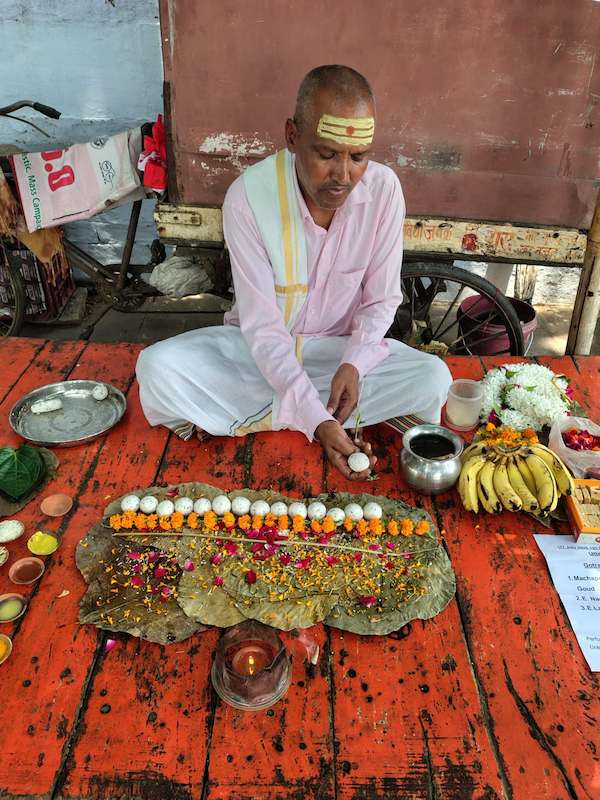
Pinda Daan is a deeply meaningful Hindu ancestral ritual performed as an expression of remembrance, gratitude, and spiritual responsibility toward departed family members. Families visit sacred pilgrimage destinations to follow traditional rites under the guidance of knowledgeable priests.
Among these destinations, Kashi holds a special place because of its association with the Ganga and centuries-old spiritual traditions. Many families exploring Kashi pinda pradanam seek an experience that respects their customs while providing clear guidance throughout the ceremony. The ritual can include sankalp, pind offerings, tarpan, prayers, and other practices according to family tradition.
Sacred Foundations Behind Ancestral Offerings And Rituals
Understanding the spiritual foundation of Pinda Daan helps families approach the ceremony with greater awareness, respect, and personal meaning.
1. Honouring Ancestors Through Traditional Offerings
Pinda Daan is traditionally understood as an offering made in remembrance of departed ancestors. Pinds, commonly prepared from rice or other prescribed ingredients, represent symbolic offerings made during the ceremony. The ritual is accompanied by prayers, mantras, and water offerings. For families, the ceremony can provide a meaningful opportunity to remember previous generations and express gratitude for their lineage. The exact procedures can vary according to regional customs, family traditions, and the guidance of the priest conducting the ceremony.
2. Beginning With Sankalp And Family Details
Sankalp forms an important part of many ancestral rituals because it establishes the intention behind the ceremony. The person performing the ritual may provide details such as their name, family gotra, and the names of the ancestors being remembered. This information helps the priest guide the ceremony according to the family’s requirements. Preparing these details beforehand can make the process smoother and allow participants to focus more fully on the spiritual significance of the occasion.
3. Understanding The Role Of Tarpan
Tarpan involves offering water, often accompanied by prescribed mantras and ritual materials such as sesame seeds. It is traditionally performed as part of ancestral rites and represents a reverent offering. The priest guides participants through the appropriate sequence and recitations. Since customs differ across communities, families should follow the method prescribed by their priest rather than attempting to combine different regional practices. Understanding this stage can make participation more meaningful and less confusing for first-time visitors.
4. Choosing A Sacred Place For The Ceremony
Location plays an important role in pilgrimage-based ancestral rituals. Sacred cities associated with rivers, temples, and longstanding traditions attract families seeking to perform Pinda Daan in accordance with their beliefs. Kashi is particularly associated with the Ganga and numerous religious traditions surrounding ancestral remembrance. Families may choose a specific ghat or ritual location based on their customs and priest’s guidance. The surroundings can also create a reflective atmosphere that encourages participants to approach the ceremony with patience and devotion.
Meaningful Experiences During A Pind Daan Ceremony
The ceremony becomes more meaningful when families understand each stage and participate with patience, respect, and awareness of their own traditions.
A pind daan ceremony in Varanasi can involve several traditional elements, depending on the family’s customs and the priest’s guidance. Participants may begin with purification and sankalp before moving toward pind preparation, offerings, tarpan, and prayers. The Ganga ghats provide a distinctive spiritual setting, but practical planning is equally important, as popular pilgrimage areas can become crowded. Families should allow sufficient time for travel, preparation, and the ceremony itself rather than treating the visit as a rushed appointment. Comfortable clothing, necessary family details, and communication with the priest beforehand can make the experience more peaceful.
Planning A Respectful Pilgrimage Around Ancestral Rituals
Careful preparation can help families focus on remembrance and devotion while avoiding unnecessary confusion during their pilgrimage.
1. Preparing Names And Gotra In Advance
Families should keep essential ancestral information ready before beginning the ceremony. This can include names of departed relatives, family gotra, and relevant dates when available. Having these details prepared helps the priest complete the sankalp accurately and reduces uncertainty during the ritual. Families may also discuss whether they wish to honour one ancestor or multiple generations. Preparation is especially useful for first-time participants who may be unfamiliar with the sequence of traditional ancestral ceremonies.
2. Understanding The Expected Ritual Sequence
Knowing the broad sequence beforehand can make participation easier. Depending on local and family traditions, the ceremony may involve sankalp, preparation of offerings, pind Daan, tarpan, prayers, and concluding rites. The priest generally guides participants through each stage, so there is no need to memorize mantras or procedures. Families can ask questions before the ceremony begins if they are unsure about clothing, materials, timings, or participation. This simple preparation can make the overall experience calmer and more organized.
3. Allowing Time For Travel And Preparation
Pilgrimage destinations can become crowded, particularly during important religious periods. Families should therefore allow additional time to reach the ritual location, complete preparations, and participate without feeling rushed. Travel plans should account for local traffic, weather, crowds, and the time required at sacred sites. Booking accommodation close to the intended ritual area can also make the journey more convenient. A flexible schedule allows participants to approach the ceremony with greater calm and attention.
4. Respecting Local Customs And Sacred Spaces
Sacred pilgrimage locations require respectful behavior from visitors. Families should follow instructions regarding photography, clothing, footwear, offerings, and movement around temples or ghats. Local customs may differ from practices followed at home, so listening carefully to the priest or temple authorities can prevent misunderstandings. Respect for the surroundings is also part of maintaining the pilgrimage’s spiritual atmosphere. Participants can focus on the purpose of their visit while remaining considerate toward other devotees and local communities.
Conclusion: Preserving Sacred Traditions For Generations
Pinda Daan represents remembrance, gratitude, and a continuing connection between generations. Sacred offerings, prayers, tarpan, and traditional ceremonies allow families to honor departed ancestors while remaining connected to their cultural and spiritual heritage.
Families planning gaya me pind daan can consider Pitradev for assistance with priest-led rituals and pilgrimage arrangements. Their services are designed to help families navigate important sacred locations and traditional procedures more clearly. With guidance for rituals at places such as Vishnupad Mandir, Akshayvat, Falgu River, and Pret Shila, Pitradev can support families seeking a more organized and respectful ancestral pilgrimage experience.