
Best Organ Meat for Dogs: A Real Owner’s Guide to Feeding Organs Right

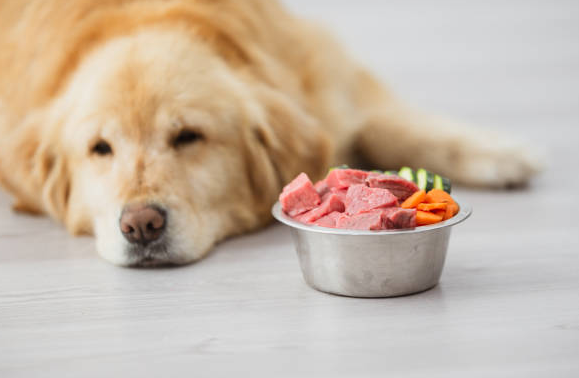
If you’ve spent any time down the raw feeding or fresh food rabbit hole, you’ve probably run into the “80/10/10” rule 80% muscle meat, 10% bone, 10% organ. That last 10% trips up more dog owners than anything else. Organ meat sounds simple until you’re standing in a butcher shop wondering whether kidney is better than spleen, or why everyone online seems to argue about liver like it’s a religion. This is where choosing the best organ meat for dogs becomes important, as different organs provide different nutrients and can play different roles in a balanced diet.
At Obey the Paw, we get asked this constantly: which organ meat is actually the best for dogs? The honest answer is that there isn’t one single winner — but there is a clear hierarchy, and liver sits at the top for good reason.
Why Organ Meat Matters in the First Place
Dogs evolved eating whole prey animals, not just the muscle cuts we’re used to seeing shrink-wrapped at the grocery store. Wild canines eat the stomach contents, the connective tissue, the bones, and the organs — and organs are where a huge chunk of the micronutrients live. Muscle meat gives protein and some fat, but it’s fairly light on vitamins and minerals compared to what’s packed into the liver, kidneys, and spleen.
Skip organ meat entirely and you end up with a diet that looks like protein on paper but is quietly missing vitamin A, copper, zinc, and a handful of B vitamins that dogs need for things like skin health, immune function, and nerve signaling. This is exactly why commercial raw diets and home-prepared meal plans insist on that organ percentage — it’s not filler, it’s the multivitamin.
Liver: The Gold Standard
If you only ever feed one organ, make it liver. Beef liver, chicken liver, lamb liver — they’re all excellent, though nutrient density varies slightly between species.
Liver is exceptionally rich in vitamin A, which supports vision, skin, and immune health. It’s also loaded with B vitamins, particularly B12, which plays a role in nerve function and red blood cell production. Copper and iron are abundant too, both essential for healthy blood.
The catch with liver is that a little goes a long way. Vitamin A is fat-soluble, meaning it builds up in the body rather than getting flushed out like water-soluble vitamins do. Overfeeding liver can lead to vitamin A toxicity over time, with symptoms ranging from joint stiffness to bone changes in severe, chronic cases. The general guideline most raw feeding resources point to is roughly 5% of the total diet from liver specifically, with the remaining organ percentage coming from other sources.

Kidney: The Underrated Second Choice
Kidney doesn’t get nearly the attention liver does, but it deserves a spot in the rotation. It’s rich in selenium, an antioxidant mineral that supports thyroid function and cellular health, along with a solid dose of B vitamins and phosphorus.
Texture-wise, kidney is softer and has a milder flavor than liver, which makes it an easier entry point for dogs who are picky about organ meat. Beef and lamb kidney are both widely available from butchers who sell to raw feeders, and they freeze well for portioning.
Spleen: A Great Rotation Partner
Spleen is another organ worth knowing about, mostly because it’s one of the richest natural sources of iron available in any animal tissue. For dogs recovering from anemia, or for owners specifically trying to boost iron intake, spleen can be a smart addition in moderate amounts.
It has a strong, almost metallic smell and taste, so some dogs take to it immediately while others need it mixed in with something milder. Because it’s so iron-dense, spleen is typically fed in smaller quantities and rotated rather than used as a daily staple.
Pancreas and Testicle: The Lesser-Known Options
These two don’t come up often, but they have real value. Pancreas contains digestive enzymes that some owners use specifically to support dogs with digestive sensitivities or exocrine pancreatic insufficiency (always under veterinary guidance for that particular condition). Testicle, when available, is a good source of zinc and certain hormone-related compounds, though it’s rarely stocked outside of specialty raw feeding suppliers.
Neither is essential, but if your butcher or supplier offers them, there’s no harm in rotating them in occasionally for extra variety.
What About Heart and Lung?
Here’s a common point of confusion: heart and lung are technically organs, but in raw feeding terms, they’re classified as muscle meat, not “secreting organ” meat. Heart, despite being an organ, has a muscle-like structure and nutrient profile closer to regular muscle cuts. This means heart doesn’t count toward your 10% organ allowance — it counts toward the 80% muscle meat portion instead. Lung falls into a similar gray area and is generally treated as muscle meat as well.
This distinction trips up a lot of new raw feeders, so it’s worth remembering: when a recipe or feeding guide says “organ,” it usually means liver, kidney, spleen, pancreas, brain, or reproductive organs — the ones responsible for filtering, producing hormones, or secreting enzymes. Raw chicken necks for dogs, on the other hand, are considered a raw meaty bone rather than an organ meat.
How Much Organ Meat Should a Dog Actually Eat?
For a healthy adult dog on a balanced raw or fresh food diet, organ meat typically makes up about 10% of total food intake, split roughly:
- 5% liver
- 5% other secreting organs (kidney, spleen, pancreas, etc.)
For a dog eating, say, one pound of food per day, that works out to about 0.8 ounces of liver and another 0.8 ounces of other organ meat daily — small amounts that pack a serious nutritional punch.
If you’re transitioning a dog onto organ meat for the first time, start slow. Organ meat is rich and can cause loose stools if introduced too quickly, especially liver. A gradual introduction over one to two weeks gives the digestive system time to adjust.
The Bottom Line
Liver is the single most valuable organ meat for dogs, thanks to its vitamin A, B12, iron, and copper content — but it shouldn’t be fed alone or in excess. Rounding out the diet with kidney, spleen, and occasional pancreas gives dogs the full spectrum of nutrients organs are meant to provide, without tipping into vitamin A overload.
At Obey the Paw, our approach has always been the same: feed dogs the way nature intended, with real, whole-food ingredients that actually nourish them. Organ meat isn’t a garnish — it’s one of the most important parts of a species-appropriate diet, and getting the balance right is what separates a good feeding plan from a great one.
If you’re just starting to add organ meat into your dog’s meals, start with small amounts of liver, watch how their stool and energy respond, and build from there. Their coat, digestion, and overall vitality will tell you pretty quickly whether you’ve got the balance right.