
Why Secure Data Destruction Matters Before Recycling Electronics

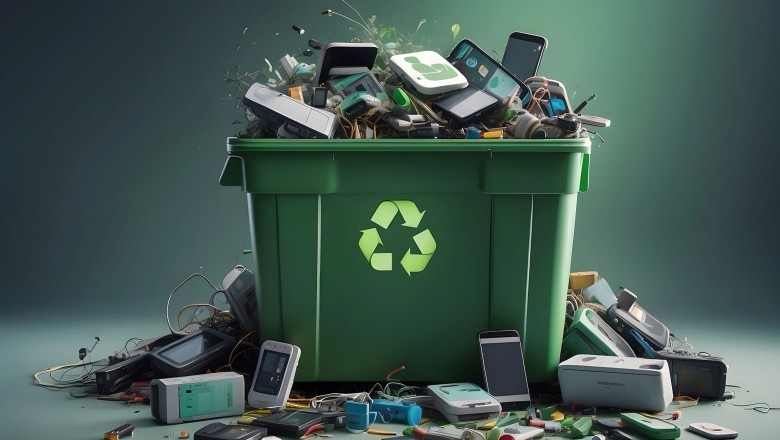
Old computers, laptops, servers, smartphones, and networking devices can contain valuable personal, business, and confidential information long after they are no longer needed. Simply deleting files or resetting a device may not permanently remove stored data, creating potential security and privacy risks during disposal. When searching for electronic recycling near me, it is important to consider what happens to the information stored on each device before it enters the recycling process.
Secure data destruction provides an essential layer of protection by ensuring sensitive information is erased or physically destroyed before equipment is reused, resold, dismantled, or recycled. This approach helps businesses protect confidential data while supporting responsible and organized electronics disposal.
Why Data Destruction Should Come Before Recycling
Electronic devices can retain information even after files are deleted or a device is reset. Standard deletion may not remove data from storage media permanently. Hard drives, SSDs, memory cards, and other storage components may still contain recoverable information.
When an organization sends equipment directly into recycling without controlling the data first, sensitive information can potentially reach unauthorized individuals. This can create privacy, operational, and reputational risks. A proper disposal process therefore separates information security from material recovery. Data should be securely erased or physically destroyed before equipment enters refurbishment, resale, dismantling, or recycling channels.
What Kind of Information Can Old Devices Contain?
Businesses frequently store valuable information across everyday technology. A retired laptop may contain employee documents, browser credentials, emails, downloaded files, or access details. Servers can hold databases, application records, customer information, and operational files. Smartphones and tablets may contain photographs, contacts, messages, documents, and account information.
Even equipment that appears damaged can contain usable storage components. A broken laptop, failed server, or discarded hard drive should therefore not be considered harmless simply because it no longer works normally. Data security depends on what remains stored on the device, not merely whether the equipment can be switched on.
Secure Wiping and Physical Destruction
Two common approaches to data protection are secure data wiping and physical destruction. Secure wiping uses appropriate processes to remove information from storage media so that it cannot be practically recovered. This approach can be useful when equipment may be reused, resold, refurbished, or otherwise given a second life.
Physical destruction takes a different approach. Storage devices can be destroyed when reuse is unsuitable or when stronger protection is required. The objective is to prevent information from being retrieved.
The method depends on the device, storage technology, condition, intended next stage, and information sensitivity. A structured process should identify these factors before equipment is moved into the recycling stream.
Why Businesses Need a Controlled Disposal Process
Businesses often manage many devices during office upgrades, technology replacements, relocations, or data center clear-outs. Handling each device individually without a documented process can make data protection difficult.
A controlled process creates stages for inventory, collection, data destruction, recycling, and documentation. Equipment can be recorded before removal, storage devices can be identified, and sensitive information can be handled according to an established procedure. This approach helps organizations maintain oversight of assets leaving their premises.
Documentation is another important consideration. Businesses may need evidence that storage media was processed before equipment was recycled. A documented destruction or wiping record can support internal accountability and make asset disposal easier to manage.
How Secure Data Destruction Supports Responsible Recycling
Recycling and data security work together when electronics are processed in the right order. First, sensitive information is removed or destroyed. Then equipment can be assessed for reuse, resale, refurbishment, parts recovery, or material recycling.
This sequence protects information while maximizing the useful life of electronic assets. Functional devices may retain value, while obsolete or damaged components can move into appropriate recycling channels. Storage devices receive special attention because their information security requirements differ from ordinary electronic components.
Choosing the Right Recycling Partner
When comparing IT equipment recycling companies in Dubai, businesses should look beyond collection and pricing. A reliable provider should have a clear approach to data destruction, explain how storage devices are handled, and provide suitable documentation where required.
It is useful to understand whether the provider accepts different equipment conditions and manages individual devices as well as bulk quantities. A capable service should make the process straightforward from assessment and collection through secure data handling and final recycling or resale.
Free collection adds convenience, especially for organizations managing large volumes. A coordinated pickup reduces the need for employees to transport heavy or sensitive devices and can make scheduled IT asset clearance more efficient.
Steps to Follow Before Recycling Electronics
Start by identifying every device that is leaving the organization. Create an inventory containing equipment type, quantity, and relevant asset details. Next, determine which devices contain storage media and identify the sensitivity of the information involved.
The next step is to select a data destruction method. Where equipment is suitable for continued use, secure wiping may be appropriate. Where storage devices are damaged, obsolete, or unsuitable for reuse, physical destruction may provide a stronger solution.
After data processing, retain available documentation and move the equipment into the next stage of the disposal process. Devices suitable for reuse can be refurbished or resold, while unsuitable equipment can be directed toward responsible recycling.
Conclusion
Secure data destruction is a key step in responsible electronics disposal. It protects confidential information before devices enter resale, refurbishment, dismantling, or recycling channels. Whether a company is clearing a few laptops or an entire technology environment, proper data handling reduces risks and creates a controlled disposal process. Before searching for electronic recycling near me, make secure data destruction the first priority.
With reliable and convenient solutions for responsible technology disposal, IT Scrap Buyer helps individuals and businesses manage unwanted technology through IT equipment buying, secure data destruction, free UAE-wide pickup, bulk IT asset buyback, and responsible e-waste recycling. The company accepts computers, laptops, servers, storage devices, networking equipment, mobiles, printers, monitors, and other electronics, offering convenient collection, certified data wiping, competitive valuations, and fast payment for eligible equipment across the UAE.